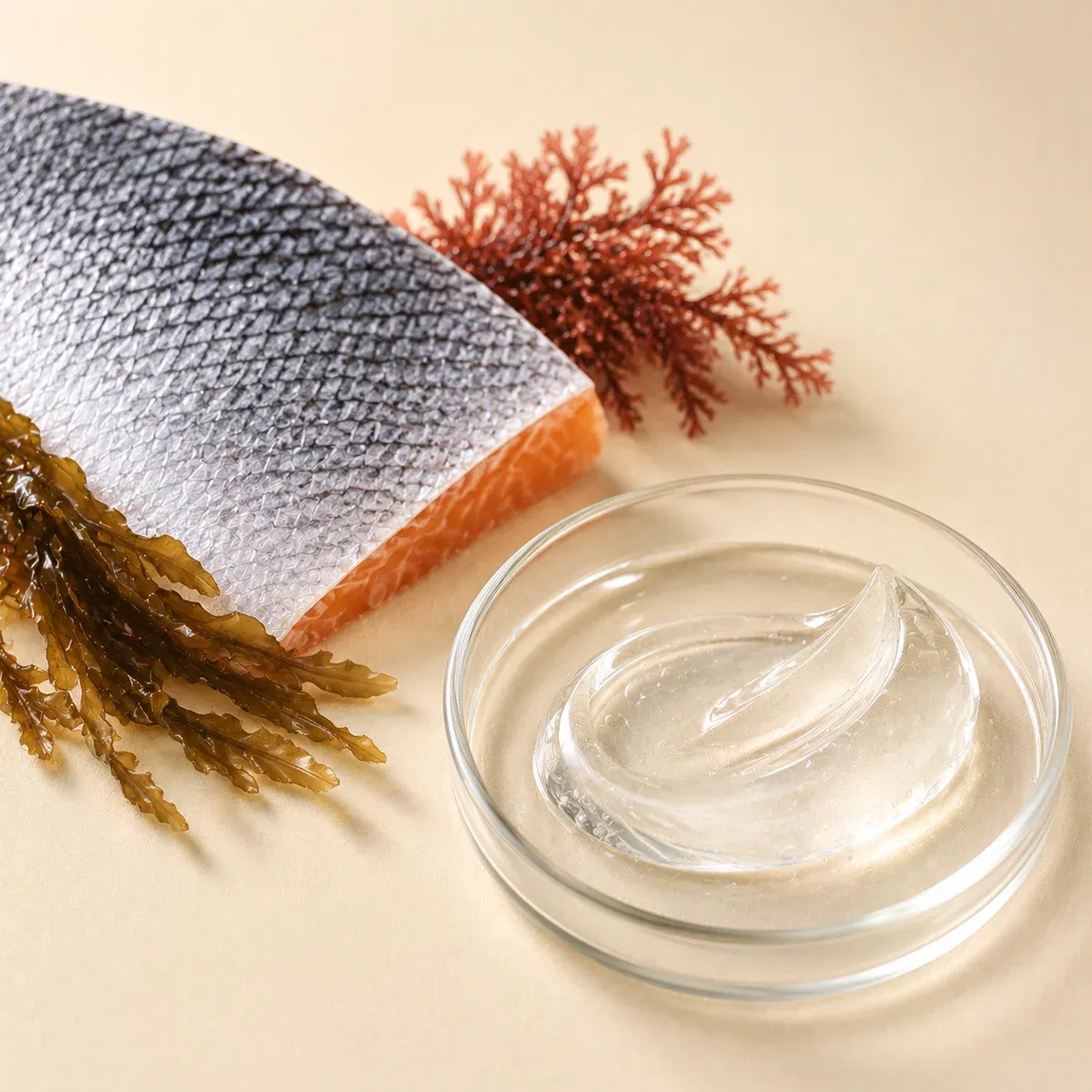
PDRN
Review the exact material, suitable cosmetic direction, and whether a serum, moisturizer, or mask project is appropriate.
View the PDRN Formulation GuideIngredient-Led Skincare Development
Explore ingredient options for private-label and custom skincare. Rixin helps brands turn an ingredient idea into a practical product plan before sampling.
We review the exact material, product format, formula, packaging, testing needs, and target market to define the right development route.
Choose a Starting Direction
Open a guide when you already have a specific ingredient direction. Niacinamide remains a useful direction to discuss, but a dedicated guide is not currently available.
Review the exact material, suitable cosmetic direction, and whether a serum, moisturizer, or mask project is appropriate.
View the PDRN Formulation Guide
Review the target market, UV-filter system, formula route, and finished-product requirements for a sunscreen project.
View the Bemotrizinol Sunscreen Guide
Compare the selected peptide system with the intended product format, formula environment, and cosmetic positioning.
View the Peptide Formulation Guide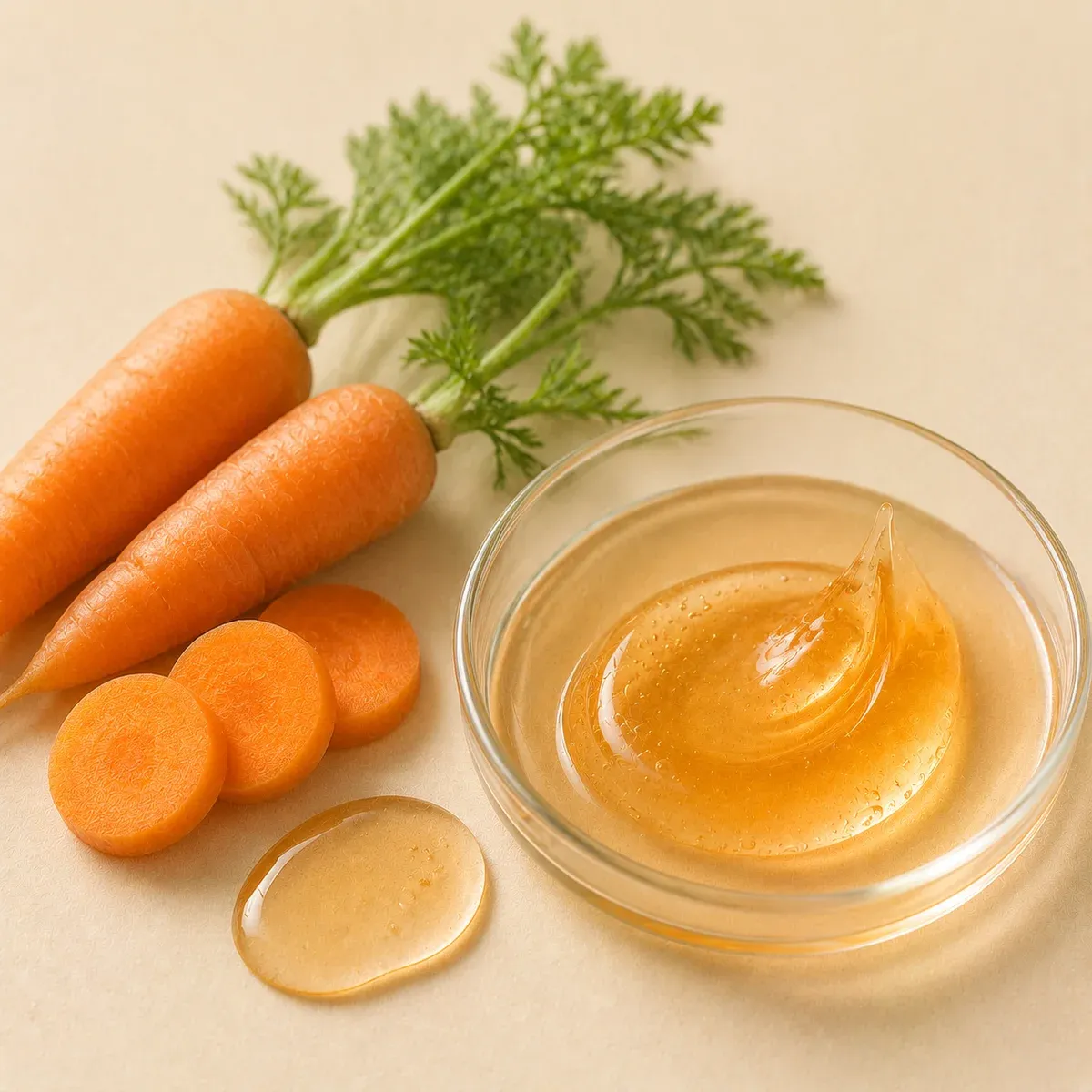
Review material form, formula stability, light exposure, packaging protection, and the intended product format.
View the Retinal Formulation Guide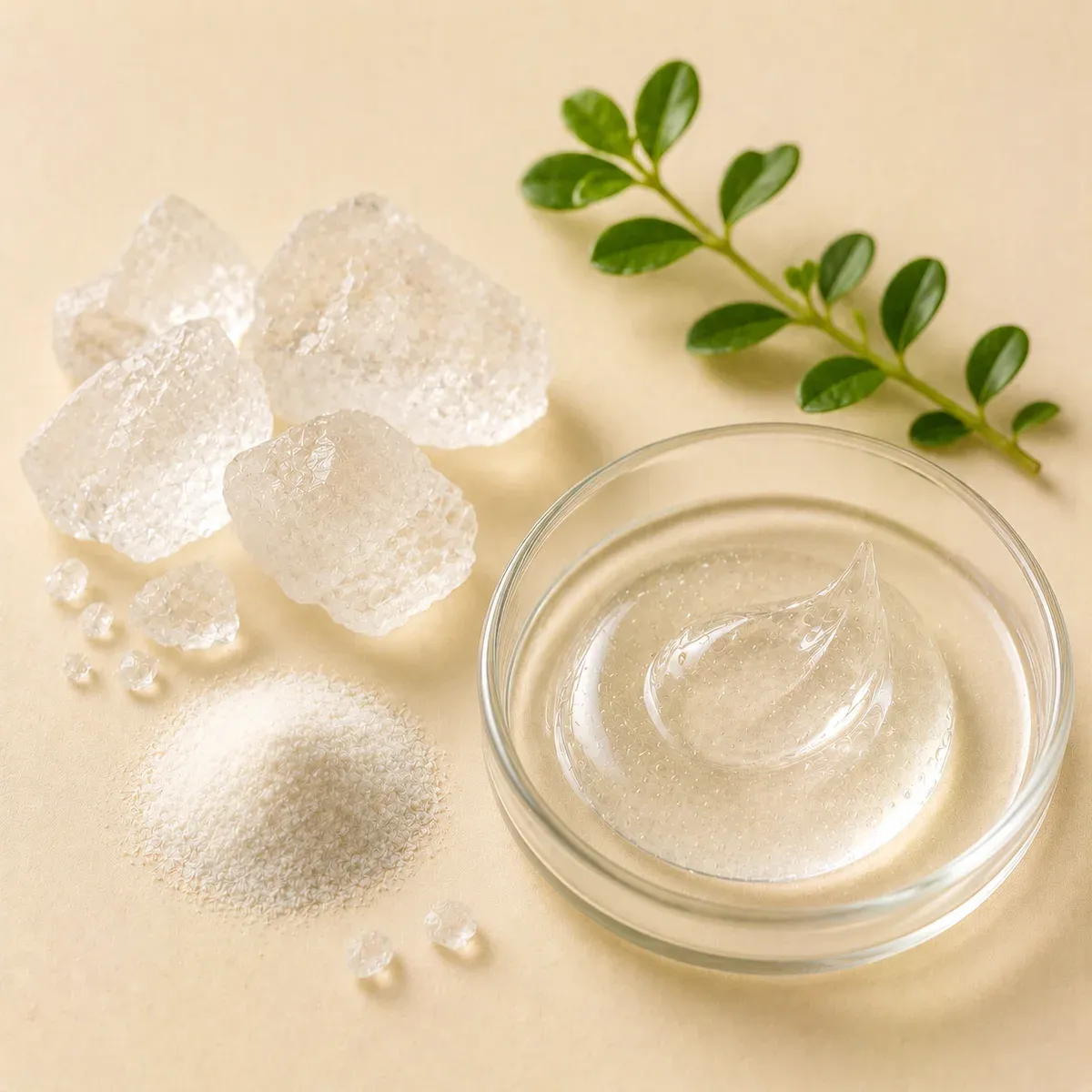
Explore a radiance-focused product direction while reviewing formula fit, testing needs, and target-market wording.
View the Tranexamic Acid Formulation Guide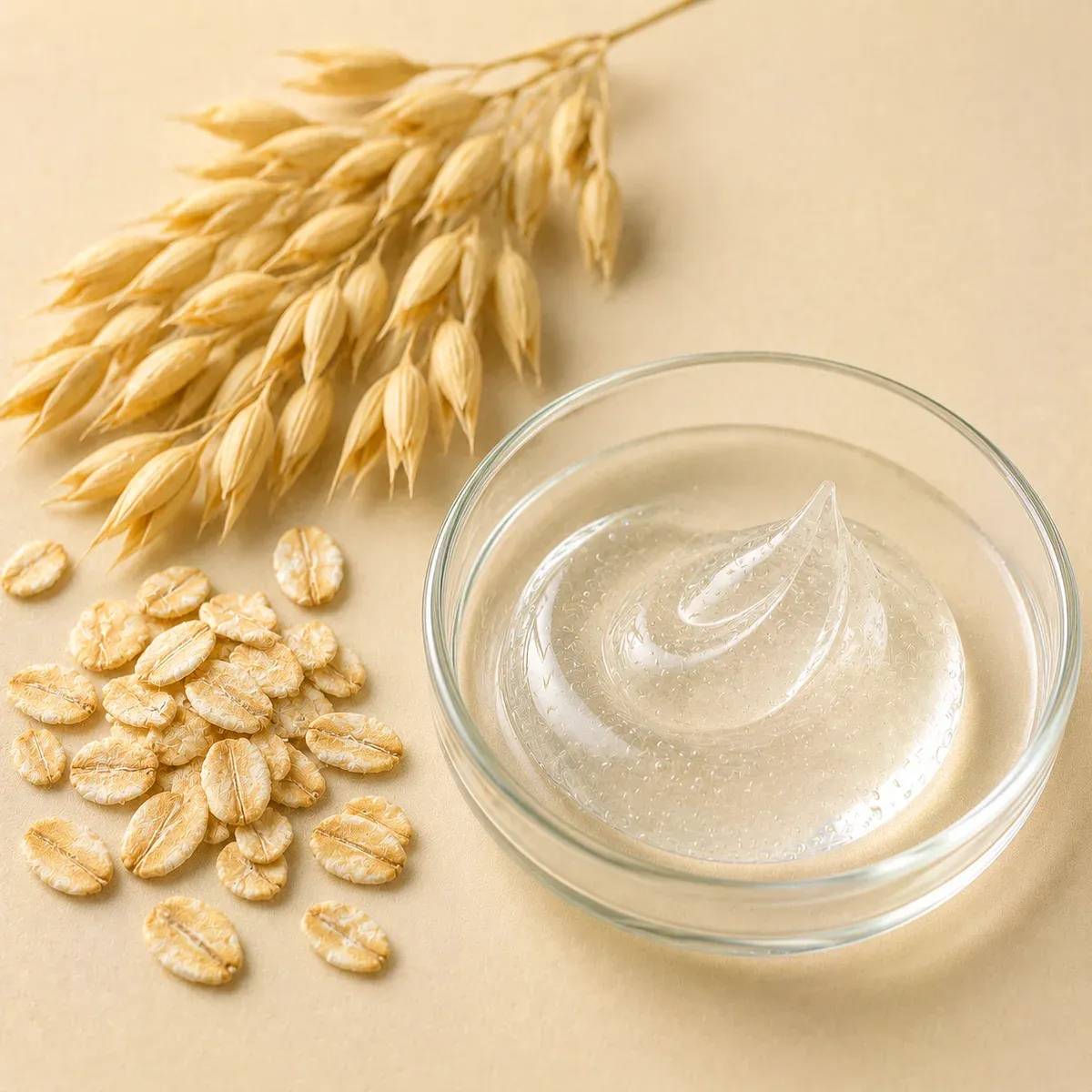
Explore hydration-focused serum, toner, or moisturizer directions around the selected material and product feel.
View the Beta-Glucan Formulation Guide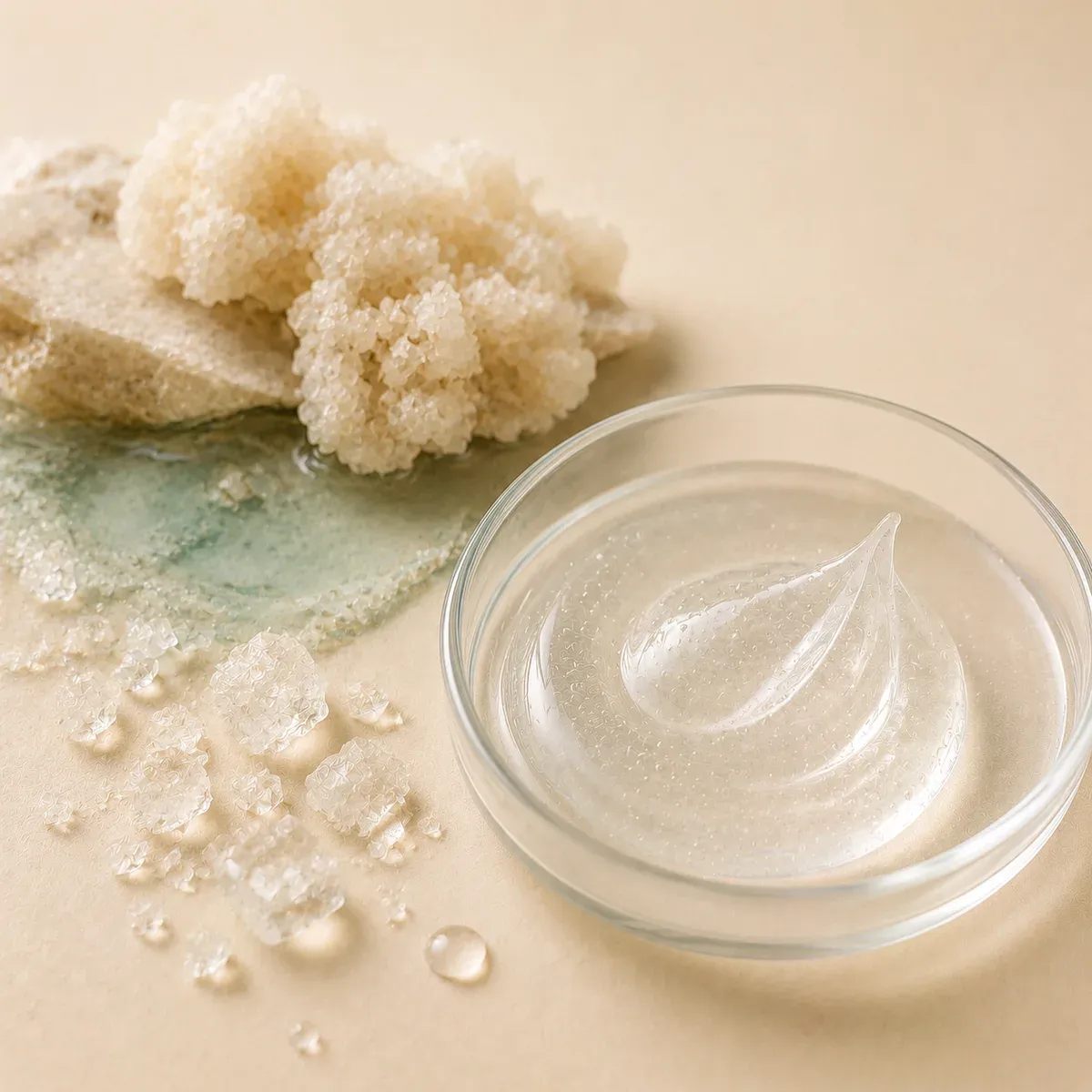
Review hydration-focused product options, formula compatibility, and suitable packaging for the exact material.
View the Ectoin Formulation Guide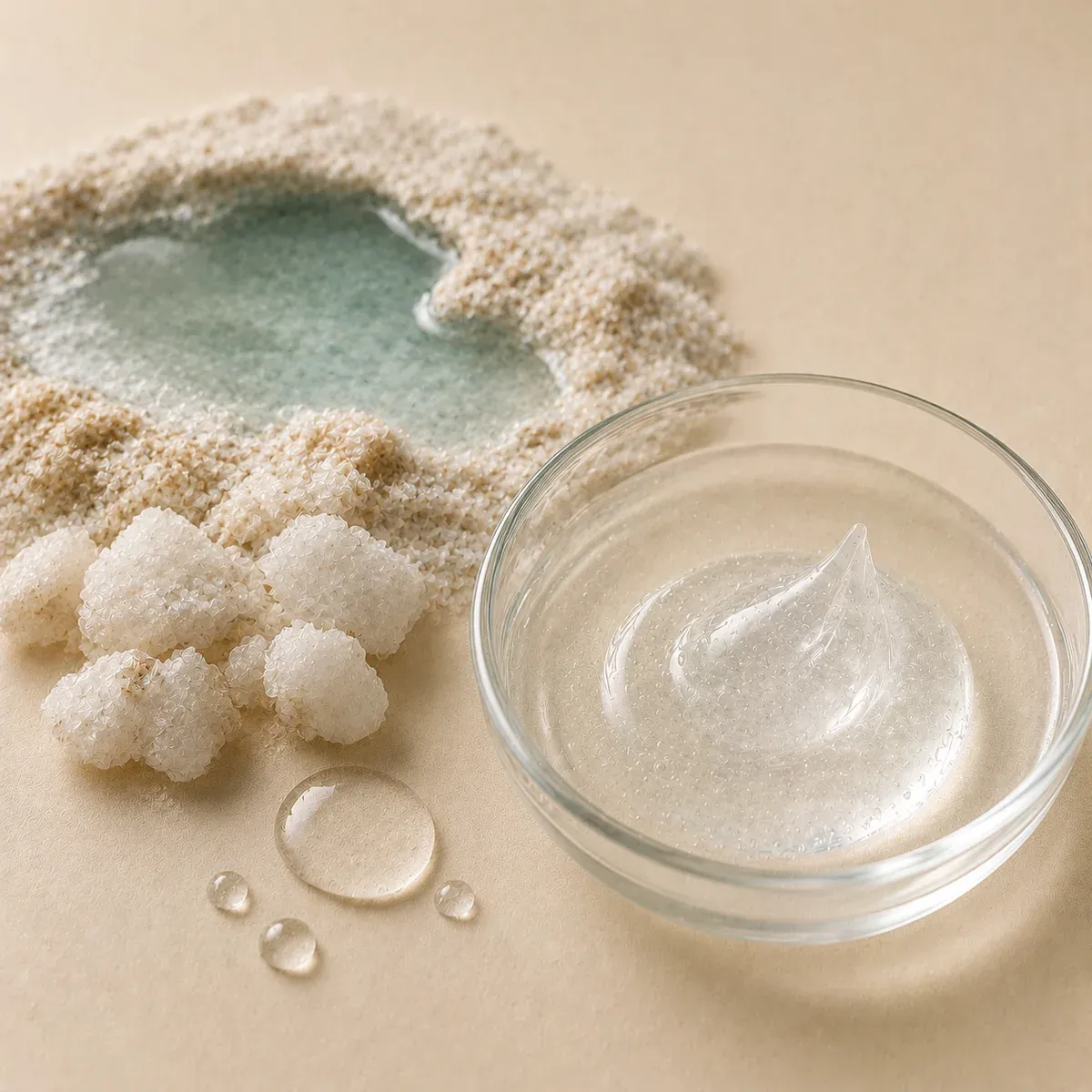
Explore barrier-focused serum and moisturizer directions while reviewing the material and complete formula system.
View the Ceramide Formulation Guide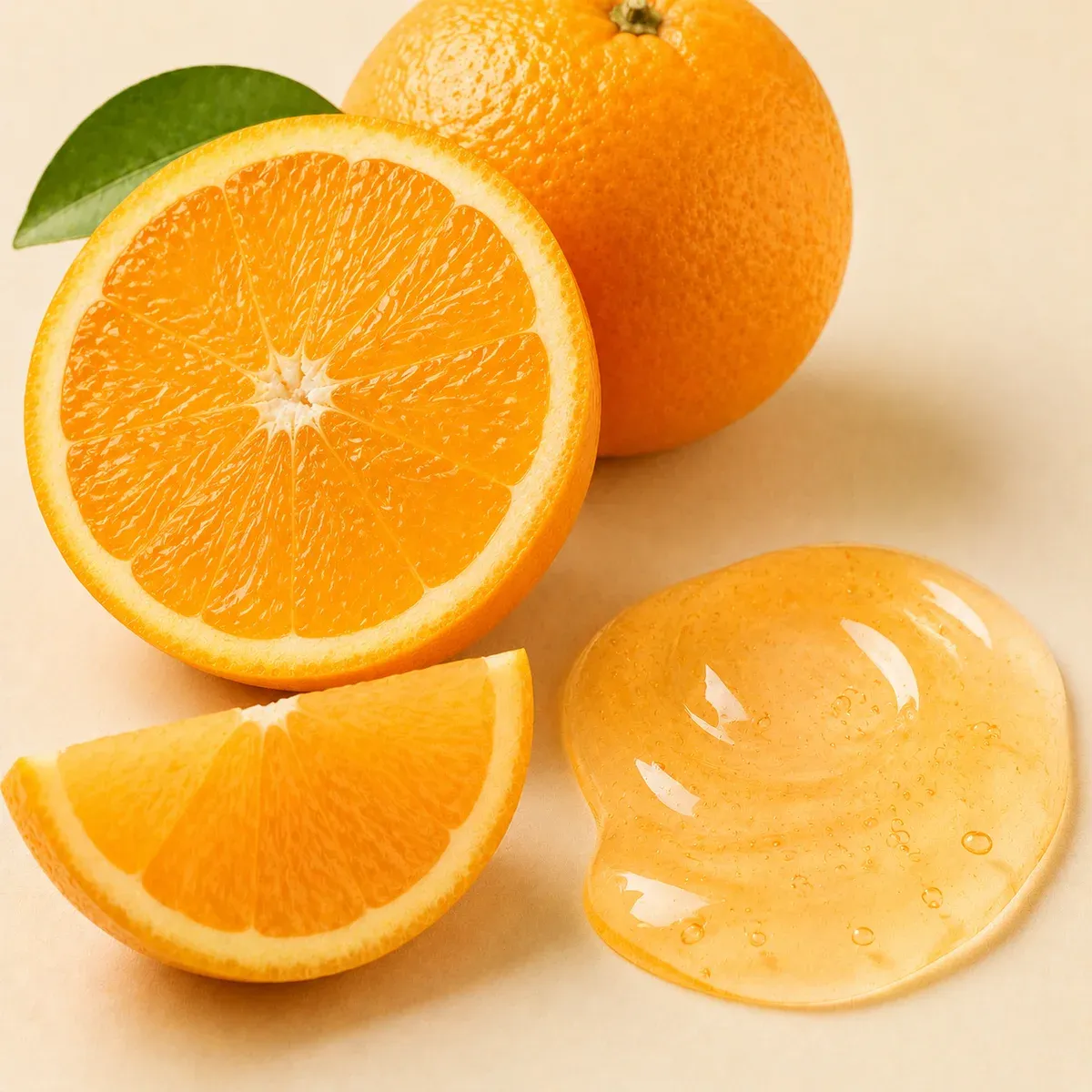
Compare the exact derivative, target product format, color and sensory direction, packaging, and testing route.
View the Vitamin C Derivative Guide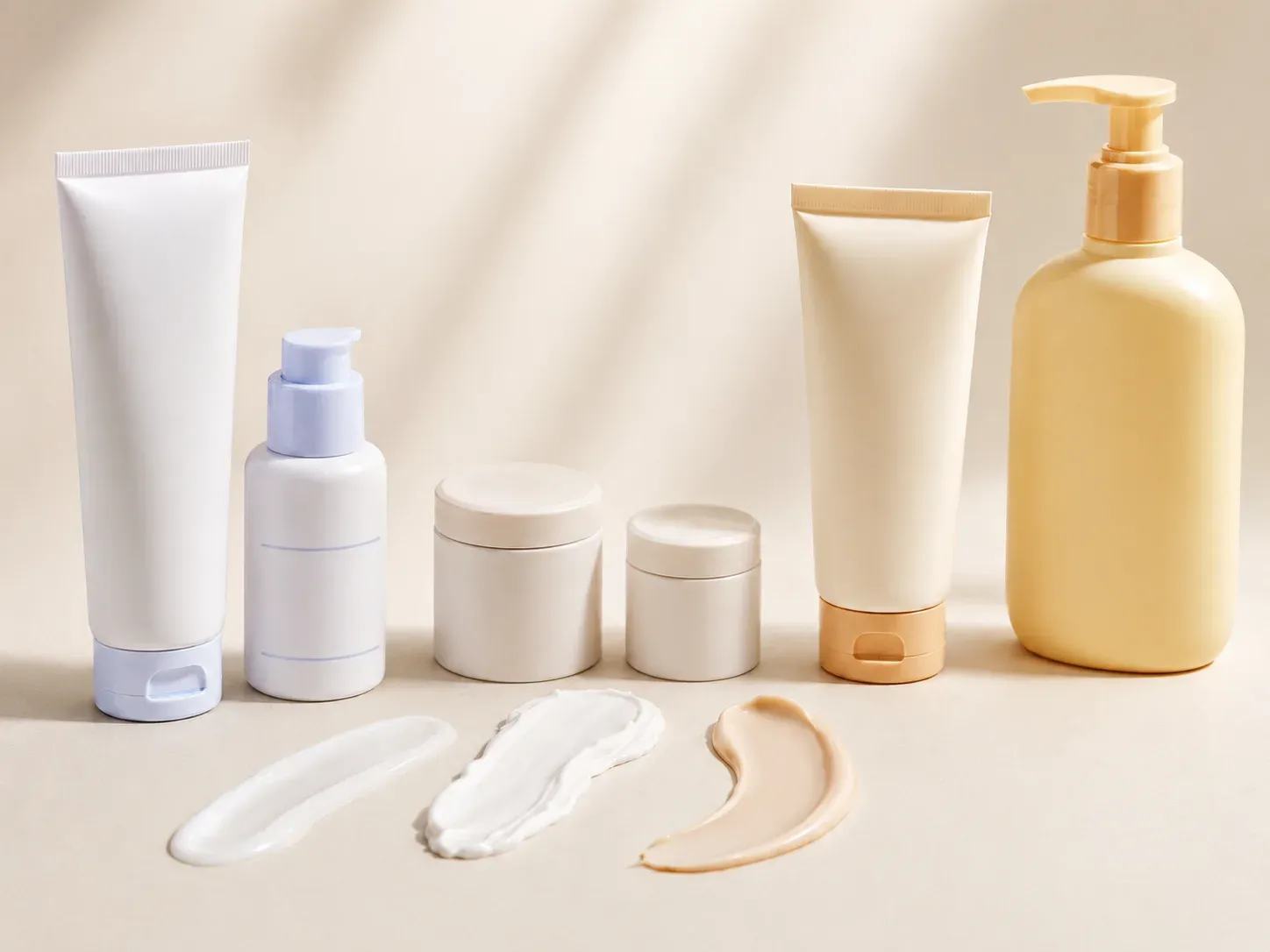
Compare UV-filter directions for U.S. and EU sunscreen development before defining the formula and market route.
View the Sunscreen UV Filter Guide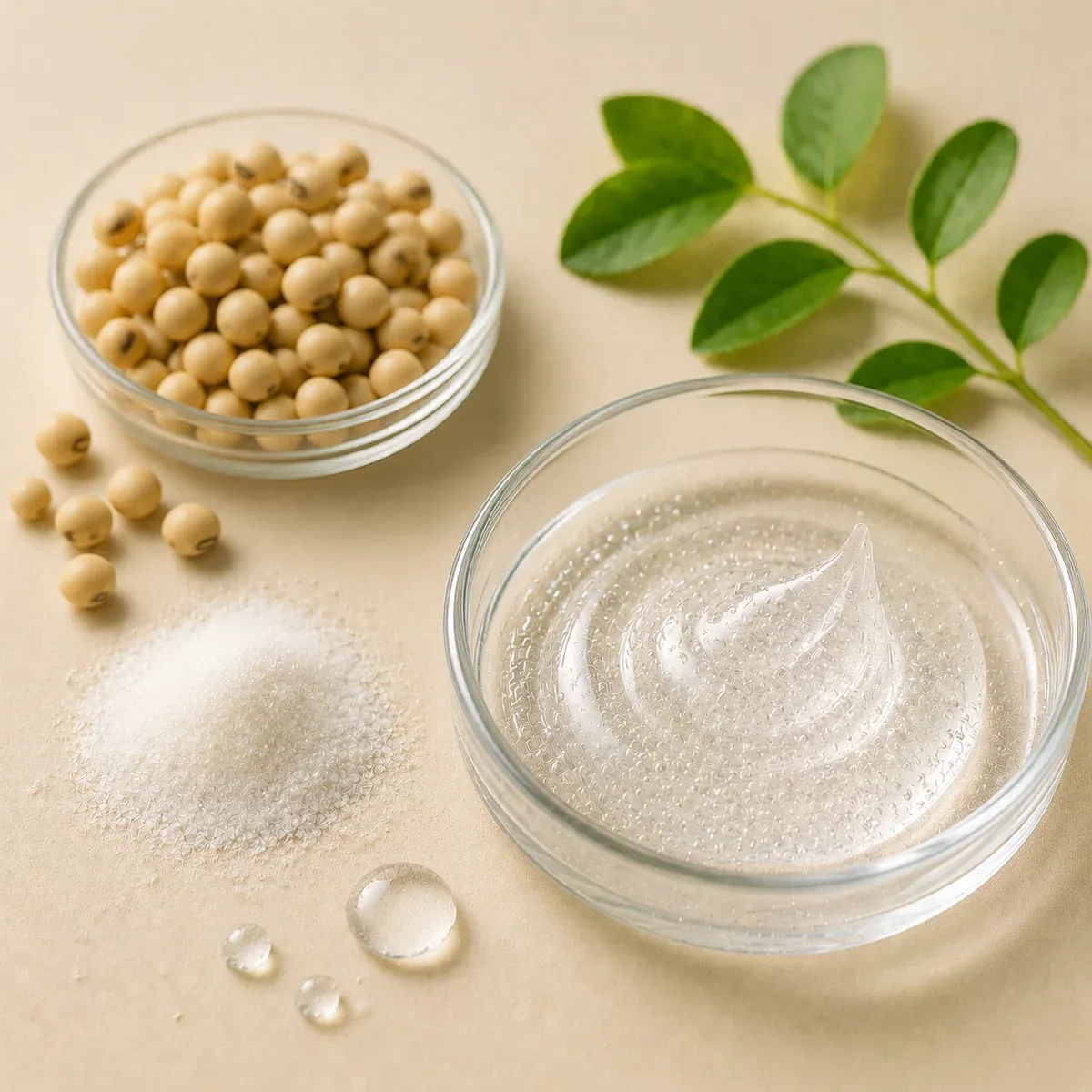
Consider niacinamide as a radiance-focused ingredient direction alongside product format, formula fit, and target-market wording.
Discuss this ingredient direction in your project brief.
Choose the Product Path
A buyer can begin with an ingredient trend, customer request, benchmark product, or format idea. The next step is to connect that direction to a practical product system.
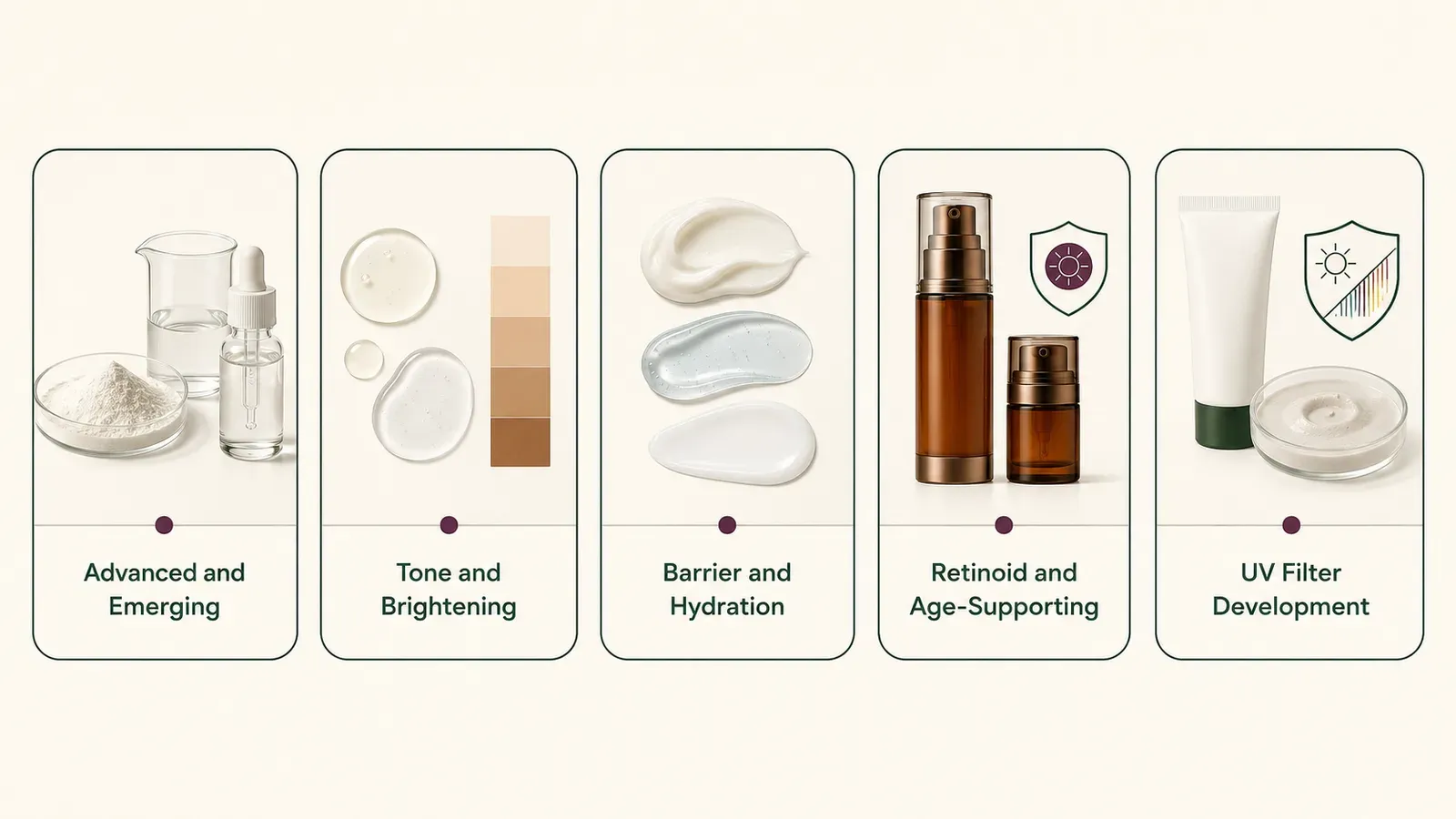
Representative directions: PDRN, peptides, and exosome-related cosmetic concepts
Start by confirming the exact material and the product direction before presenting a concept as commercially ready.
Representative directions: Tranexamic acid, niacinamide, and vitamin C derivatives
Choose the exact material and finished-product direction before deciding on formula, package, evidence, or wording.
Representative directions: Ceramides, hyaluronic acid, beta-glucan, and ectoin
These concepts are usually shaped by the complete formula system, texture, packaging, and intended user experience.
Representative directions: Retinal, bakuchiol, and peptide combinations
Review stability, packaging protection, sample evaluation, and appropriate cosmetic positioning together.
Representative directions: Bemotrizinol, DHHB, EHT, and zinc oxide
Define the destination market first because permitted filters, testing, labels, and claims can differ.
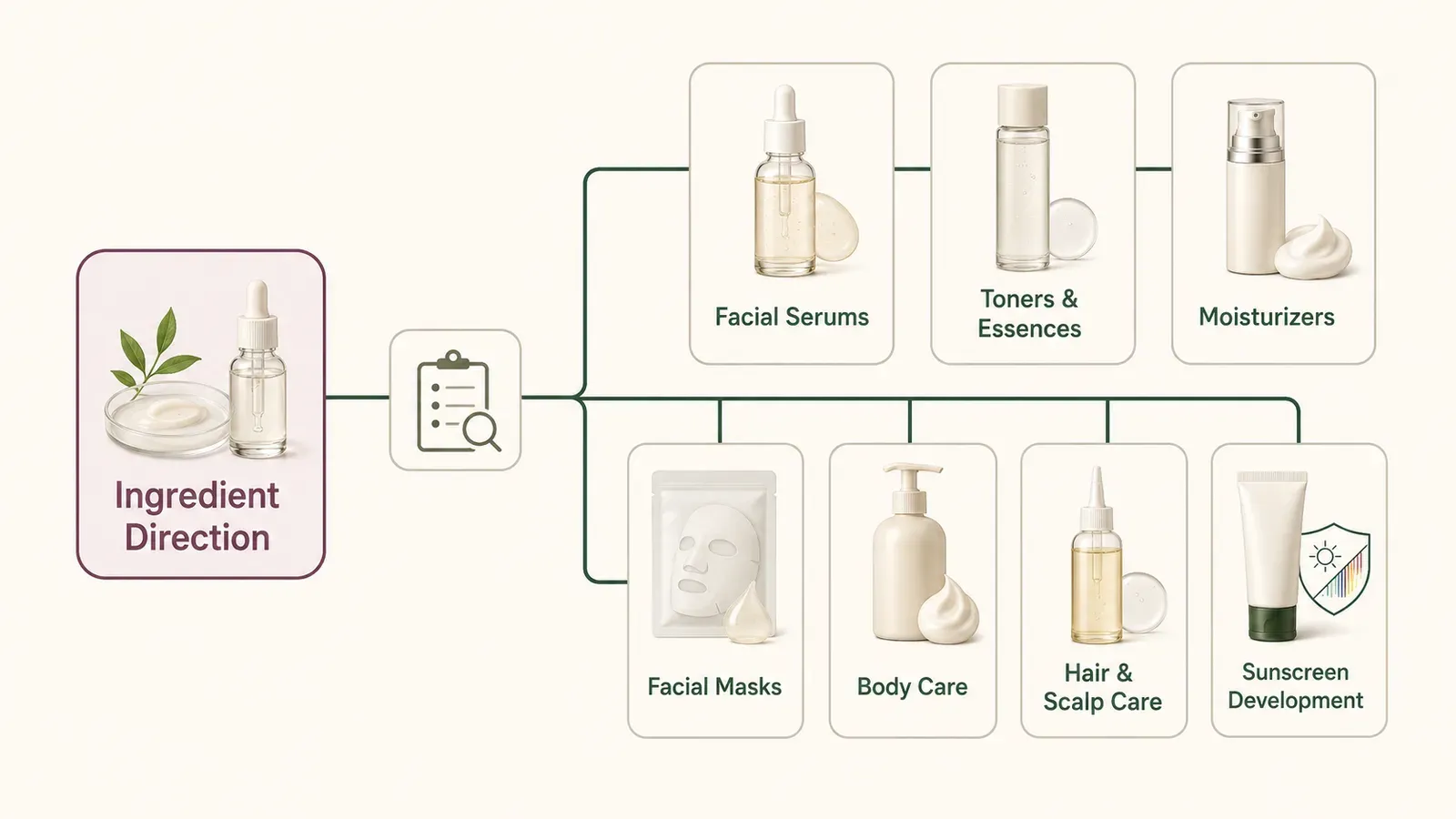
Water-based, emulsion, oil, or suspension systems with the right clarity, viscosity, and dispenser.
Explore Facial Serum DevelopmentLow-viscosity products that need a suitable solubility, clarity, bottle, and dispensing route.
Explore Toner and Essence DevelopmentEmulsion, texture, preservation, and jar, tube, or airless packaging decisions.
Explore Moisturizer DevelopmentEssence or cream systems with substrate, fill, seal, and stability planning.
Explore Facial Mask DevelopmentApplication area, texture, package size, pump or tube performance, and fragrance direction.
Explore Body Care DevelopmentRinse-off or leave-on format, scalp feel, viscosity, applicator, and packaging direction.
Explore Hair and Scalp Care DevelopmentTarget market, filter system, dispersion, testing, packaging, labeling, and claims.
Explore Sunscreen DevelopmentChoose Your Development Route
Choose the route that best matches how defined your product direction is today.
Start from an established product or formulation direction, then define the ingredient, format, packaging, and project brief.
Explore Private Label SkincareDevelop or adapt a formula around the ingredient direction, benchmark, texture target, and wider project brief.
Explore Custom Formulation and OEMDefine the Project
An ingredient name is a useful starting point, not a complete product specification. Rixin reviews the project as one connected material, formula, packaging, testing, and market decision.
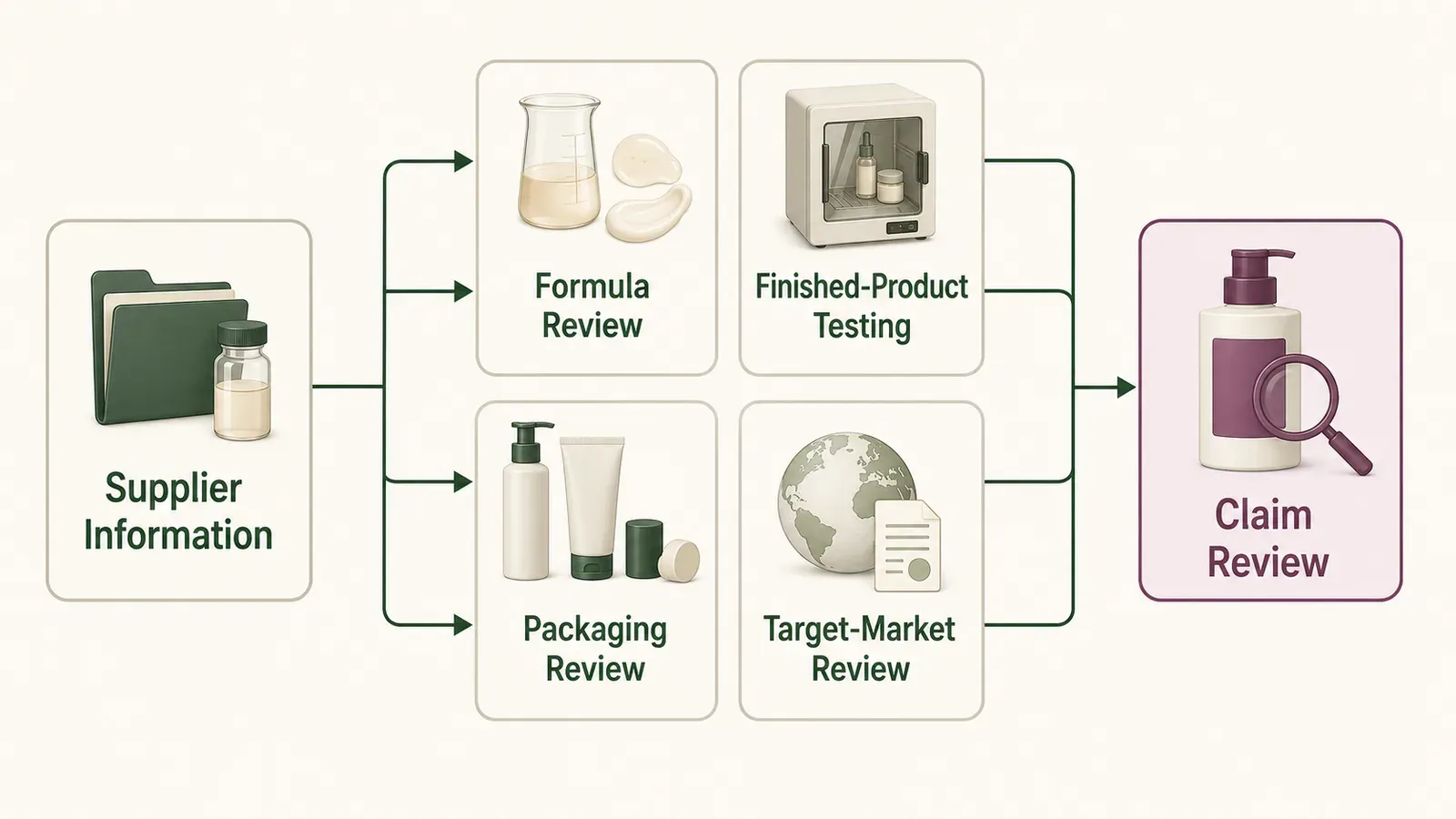
Confirm the supplier material, its INCI—the official cosmetic ingredient list—and the available composition and handling information.
Review formula compatibility, meaning whether the material can work in the planned formula, texture, and product format.
Review light, oxygen, viscosity, dose, component contact, and how the product is used.
Supplier information does not automatically establish the finished product, proposed wording, or target-market route.
Review whether the selected direction can move from a sample plan toward repeatable batch production, also called scale-up.
Prepare Your Project
You can start with incomplete information. Share the direction you have, then identify where you need Rixin’s input.
Useful starting information:
Frequently Asked Questions
Yes. Start with the ingredient, product idea, or reference that you have. Rixin can help identify the next questions for the project.
Yes, when the available supplier information can be reviewed. The exact material, formula fit, product format, and project scope still need to be assessed.
The format depends on the exact material and product goal. A serum, toner, moisturizer, mask, body-care, hair-care, or sunscreen route may need different formula and packaging decisions.
No. An ingredient trend does not automatically support a finished-product claim. The final wording depends on the complete formula, available evidence, intended use, and target market.
Share what you know about the ingredient, format, market, quantity, timing, reference products, packaging, and any supplier information. Incomplete information is a suitable starting point.
Private label starts from an established product or formulation direction. Custom formulation develops or adapts a formula around the project brief.
Request an Ingredient Project Review
Share the ingredient direction, product format, target market, quantity, and timing you currently have. Rixin will identify the material, formulation, packaging, testing, and sampling questions to review next.