Hydration and Barrier Support
Consider hydration-focused, skin-conditioning products for a more comfortable feel and well-conditioned appearance.
PDRN Ingredient-Led Skincare Development
Develop private label or custom PDRN skincare around the exact material, cosmetic direction, product format, formula, package, evidence, and target market. Hydration, smoother-looking texture, elasticity, and age-supporting concepts may be considered, but the suitable route depends on the selected material and finished-product brief.
Ingredient Direction
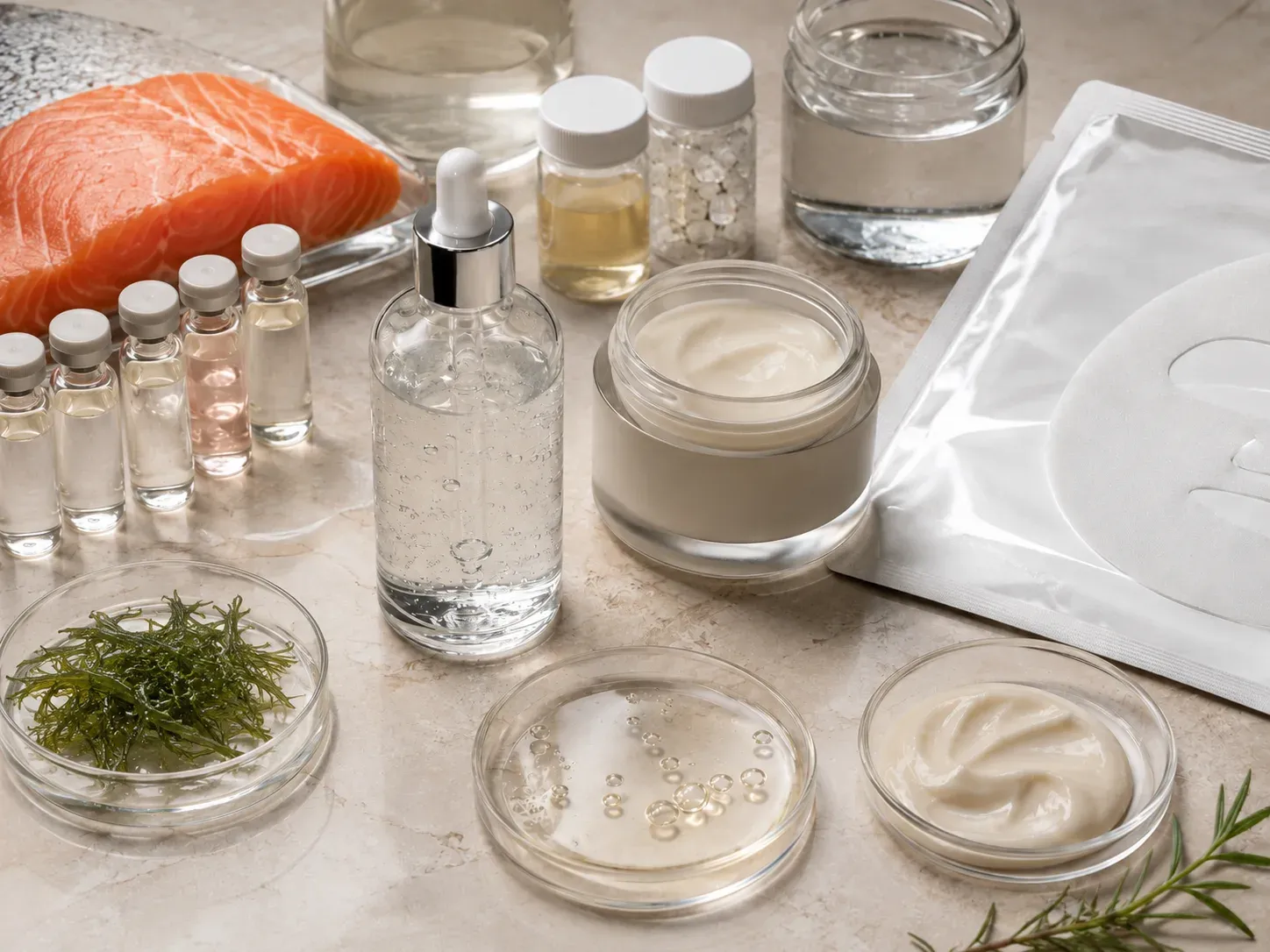
PDRN stands for polydeoxyribonucleotide and generally describes mixtures of DNA-derived deoxyribonucleotide fragments. Traditional researched materials are commonly associated with purified DNA from salmonid reproductive cells, while plant-derived and microbial-derived routes are also developing.
The name alone does not identify the source, composition, carrier, molecular profile, proposed ingredient declaration, quality, or cosmetic suitability. A commercial project should begin with the exact supplier material rather than the trend term alone.
Concept Development
Consider hydration-focused, skin-conditioning products for a more comfortable feel and well-conditioned appearance.
Develop concepts focused on softer, more supple-looking skin and visibly refined texture.
Explore elasticity-focused positioning for a firmer, more resilient-looking complexion.
Consider products designed to help improve the appearance of fine lines and support smoother-looking skin.
These are cosmetic development directions, not universal PDRN claims. Final wording depends on the exact material, use level, complete formula, finished-product evidence, intended use, and target market.
Material Origins
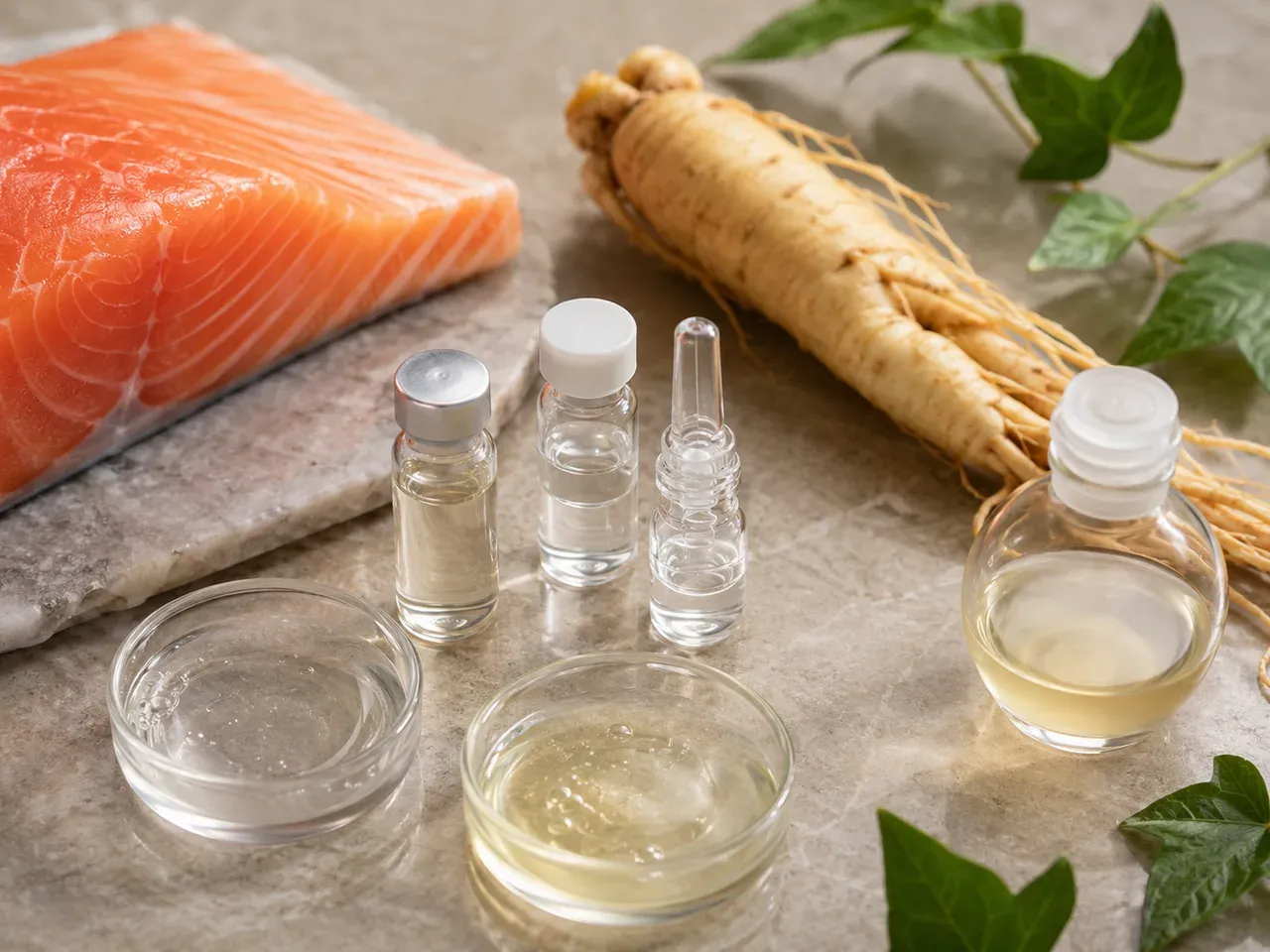
This is the most established route. Traditional research commonly involves salmon trout, chum salmon, or related materials. The described source is purified DNA from reproductive cells—not salmon meat. Species, processing, fragment profile, carrier, composition, and documents still require confirmation.
This is a developing non-animal category, not one standardized ingredient. Research has explored Korean ginseng, Gynostemma pentaphyllum, peony-related sources, rose, and other plants. Species, tissue, processing, fragment characteristics, carrier, and evidence may differ. Findings for one source should not support another automatically.
Research has reported PDRN obtained from Lactobacillus rhamnosus. This remains an emerging route. Equivalent or superior cosmetic performance should not be assumed without evidence for the exact material and finished formula.
Source options can be reviewed against the supplier material, documents, formula feasibility, and project scope. Not every route is available for every project.
Material Definition
Not necessarily. PDRN and PN are both used for DNA-derived polynucleotide materials, but the terms are applied inconsistently across research and supplier marketing. Commercial materials may differ in molecular distribution, processing, concentration, viscosity, physical form, carrier, and intended use.
Review the exact trade name, material definition, specification, composition, physical properties, supplier guidance, and intended cosmetic application rather than treating the terms as interchangeable.
Material Review
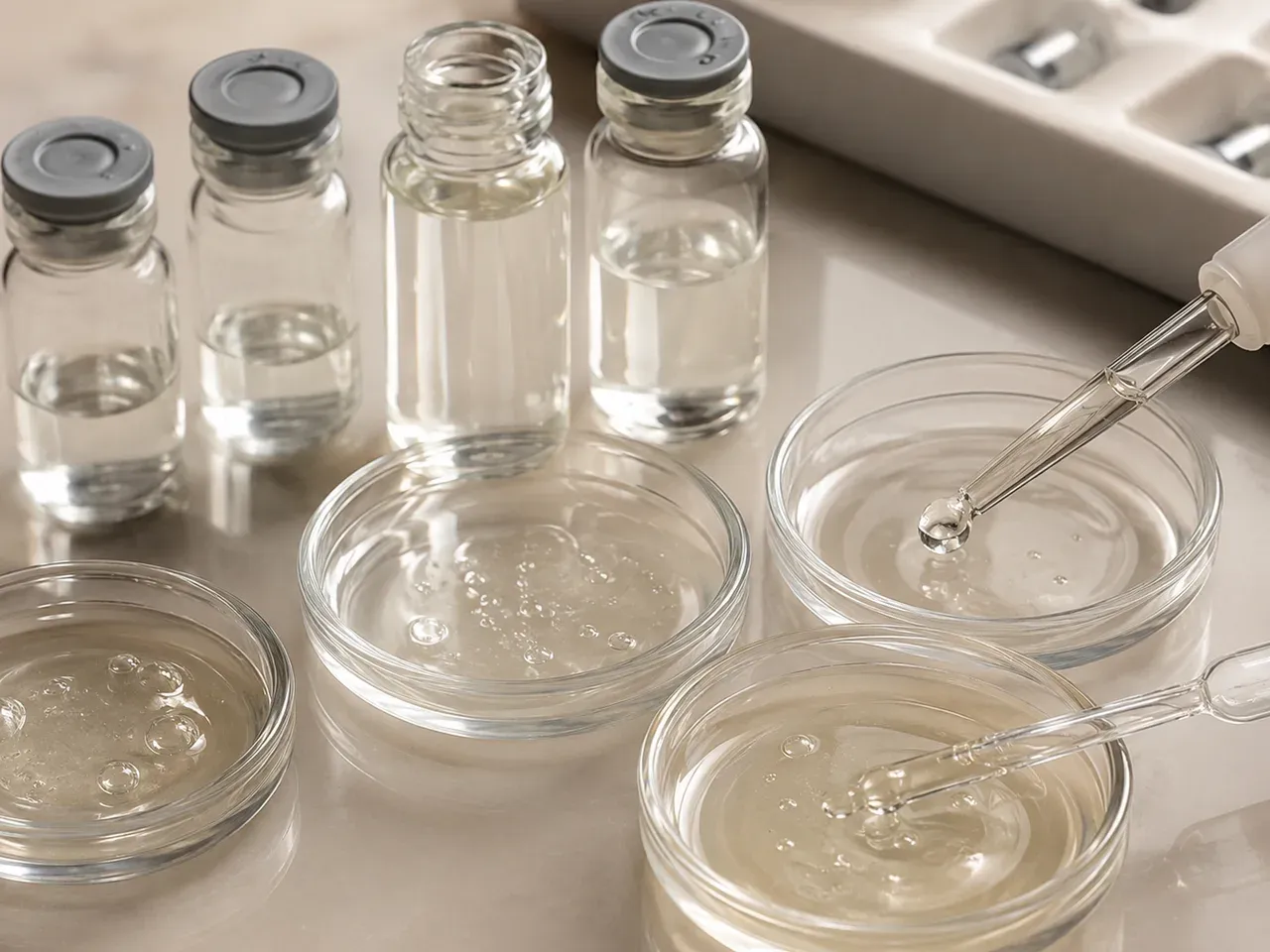
A practical material review should confirm:
“PDRN” should not automatically become the final ingredient declaration. The finished list depends on the exact material, supplier documents, formula, and target market. Database listings may support nomenclature research, but they do not establish universal approval or suitability.
Product-Format Selection
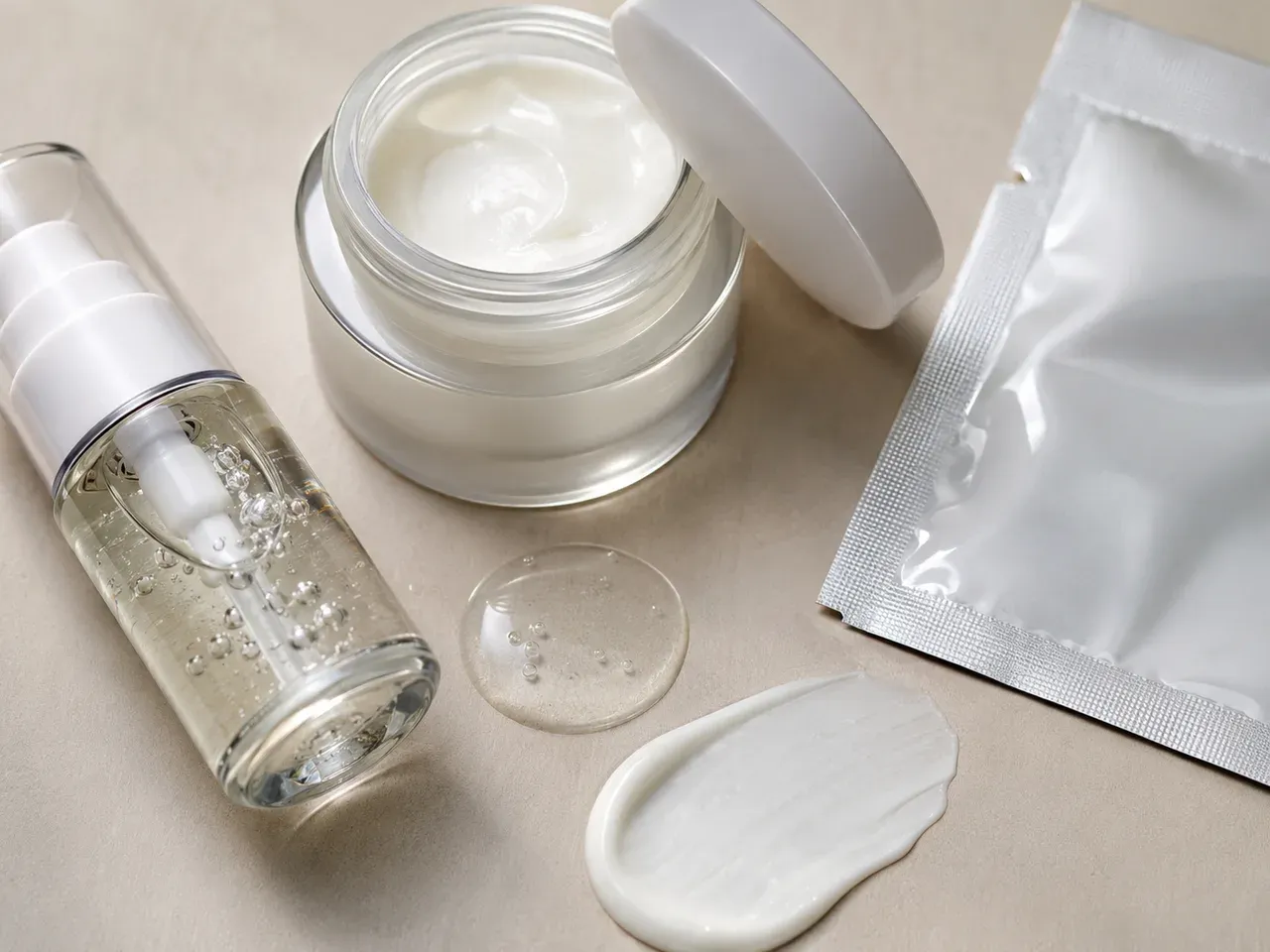
Explore fluids, essence-serums, or gels. Review clarity, viscosity, tack, sensory profile, and pump, airless, or dropper compatibility. See facial serum manufacturing options .
Consider lotions, gel creams, or richer emulsions. Review the emulsion system, after-feel, stability, and jar, pump, or airless package together. Explore moisturizer development .
Consider sheet-mask essence or selected mask formats. Essence loading, substrate interaction, stability, pouch material, and sealing require format-specific review. See facial mask manufacturing .
The selected material may not suit every format. Product decisions should follow material and formula assessment.
System Review
The route depends on the material’s physical form, composition, carrier, and supplier guidance. Review may include solubility or dispersibility, addition phase, temperature exposure, pH environment, ingredient compatibility, clarity, preservation, microbiological control, and sensory effects.
The finished system also requires stability, filling, dispensing, seal, and package-compatibility assessment. Rixin can evaluate these factors through the agreed formula-development scope and packaging and label design . Do not select fixed use levels or processing parameters without material-specific guidance.
Evidence and Market Review
Supports review of identity, specification, composition, handling guidance, and supplier-reported research.
May include stability, package compatibility, microbiological or safety-related assessment, specifications, and claim-support work according to scope.
Depends on the exact material, formula, actual evidence, label context, intended use, product classification, and target market.
Raw-material research does not automatically substantiate a finished serum, cream, or mask. Review Quality, Testing & Documentation before finalizing claims. Testing or document coordination does not create automatic approval or universal compliance.
Project Direction
Begin with an existing direction that can be reviewed for the selected material, market, package, and positioning. Customization is limited. Explore private label skincare .
Evaluate feasible changes to texture, sensory profile, supporting ingredients, packaging, or a specified material direction.
Start from a complete brief covering the material, format, formula target, package, testing, and documentation. Review custom formulation and OEM .
Provide the market, format, SKU count, supplier material or source preference, documents, texture, positioning, packaging, quantity, testing needs, and timing. Use the project requirements guide to prepare the brief.
Frequently Asked Questions
PDRN describes DNA-derived deoxyribonucleotide fragment materials. The name alone does not define the source, composition, declaration, formula, or finished-product evidence.
Hydration, smoother-looking texture, elasticity, firm-looking appearance, and age-supporting concepts may be considered. Final wording depends on the material, formula, evidence, and market.
Salmonid-derived materials are the most established. Plant-derived materials are developing, while microbial-derived materials are emerging. Different sources are not automatically equivalent.
Not automatically. Materials may differ in molecular distribution, processing, concentration, carrier, physical properties, and intended use.
Provide the target market, format, supplier material or source direction, available documents, texture, packaging, quantity, testing needs, and timing.
Start With the Exact Material
Share the supplier reference or source direction, format, market, packaging, quantity, documentation needs, and timing. Rixin will review the information and discuss a suitable route.
This page is intended for B2B cosmetic product-development discussion. Ingredient identity, INCI declaration, supplier documentation, finished-product claims, and market suitability should be reviewed for the exact raw material, formula, and target market.