Start with Private Label
Start with an existing Rixin moisturizer formula, then confirm which ingredients, texture adjustments, packaging, artwork, and order details can be customized.
Explore Private Label SkincareFacial Moisturizer Development for Skincare Brands
For skincare brands launching a facial moisturizer, start with a private-label base or develop a custom formula, with support for packaging, testing, and production.
We review the formula, package, stability, and product positioning together so the finished moisturizer works as one product.
Share your market, target texture, packaging direction, and quantity. We’ll recommend a suitable project route and next sampling step.
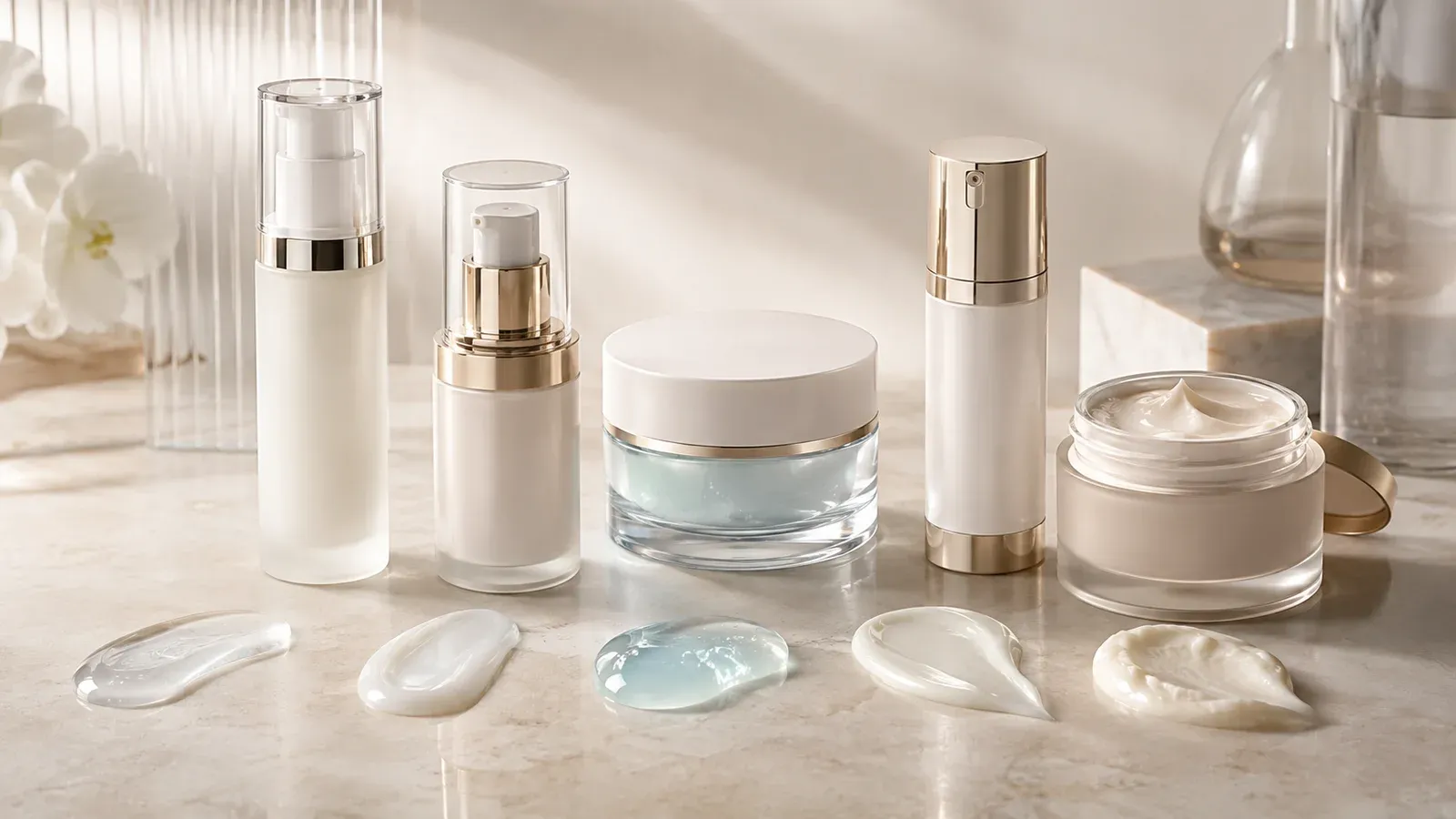
Choose Your Starting Route
Choose the route that matches how far your moisturizer concept is already defined.
Start with an existing Rixin moisturizer formula, then confirm which ingredients, texture adjustments, packaging, artwork, and order details can be customized.
Explore Private Label SkincareChoose custom formulation when you need a new or substantially changed moisturizer. Share your desired texture, ingredients, reference product, package, and target market.
Explore Custom Formulation & OEMA private-label project may need custom development when changes materially affect the formula, stability, testing, or package fit.
Product Formats
A clear format gives sampling and packaging review a practical starting point.
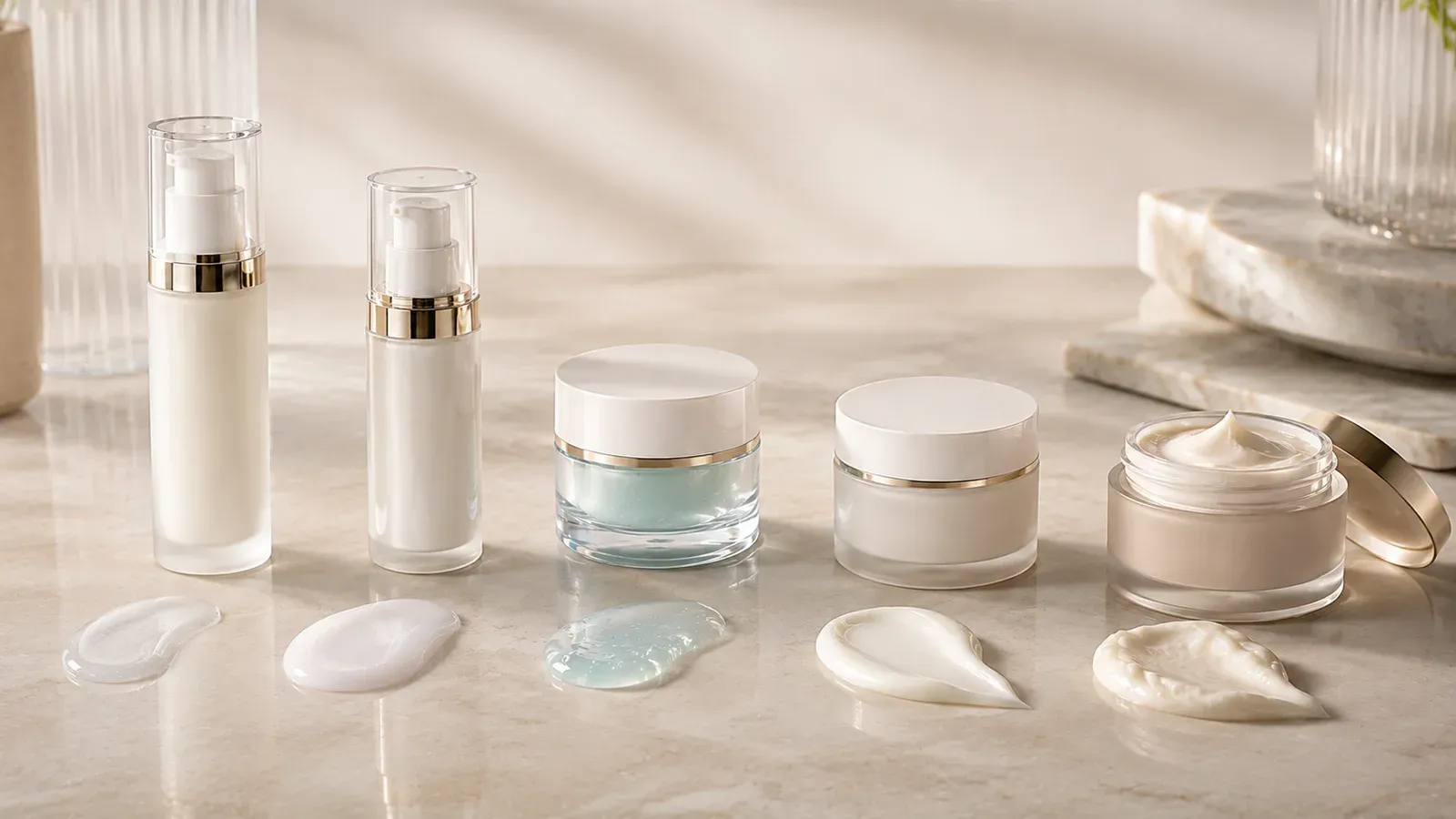
Fluid emulsions for easy spreading and a lighter after-feel. Review absorption, residue, viscosity, and pump performance.
Light-to-medium moisturizers where water and oils are kept together in a stable formula. Balance spreadability, absorption, and package flow.
Fresh-feeling textures combining gel character with a stable water-and-oil formula. Review structure, tackiness, stability, and package fit.
Medium-richness creams developed around smooth application, absorption, finish, and suitable dispensing.
Fuller textures with a cushioning or more protective feel. Structure, spreadability, filling, closure performance, and temperature exposure can affect development.
Sensory Brief
“Lotion” or “cream” is not a complete brief. Define:
These choices guide the formula, filling, package selection, and sample evaluation. For example, a light daytime feel can need a different approach from a richer night-care feel.
Packaging Fit
Lotions, gel creams, and richer creams can need different dispensing options. Possible directions include airless pumps, standard pumps, tubes, jars, labels, and cartons.
Match viscosity, dose, filling, sealing, and transport needs with formula-package compatibility: whether the formula dispenses properly and remains suitable in the selected package.
Review Packaging and Label Support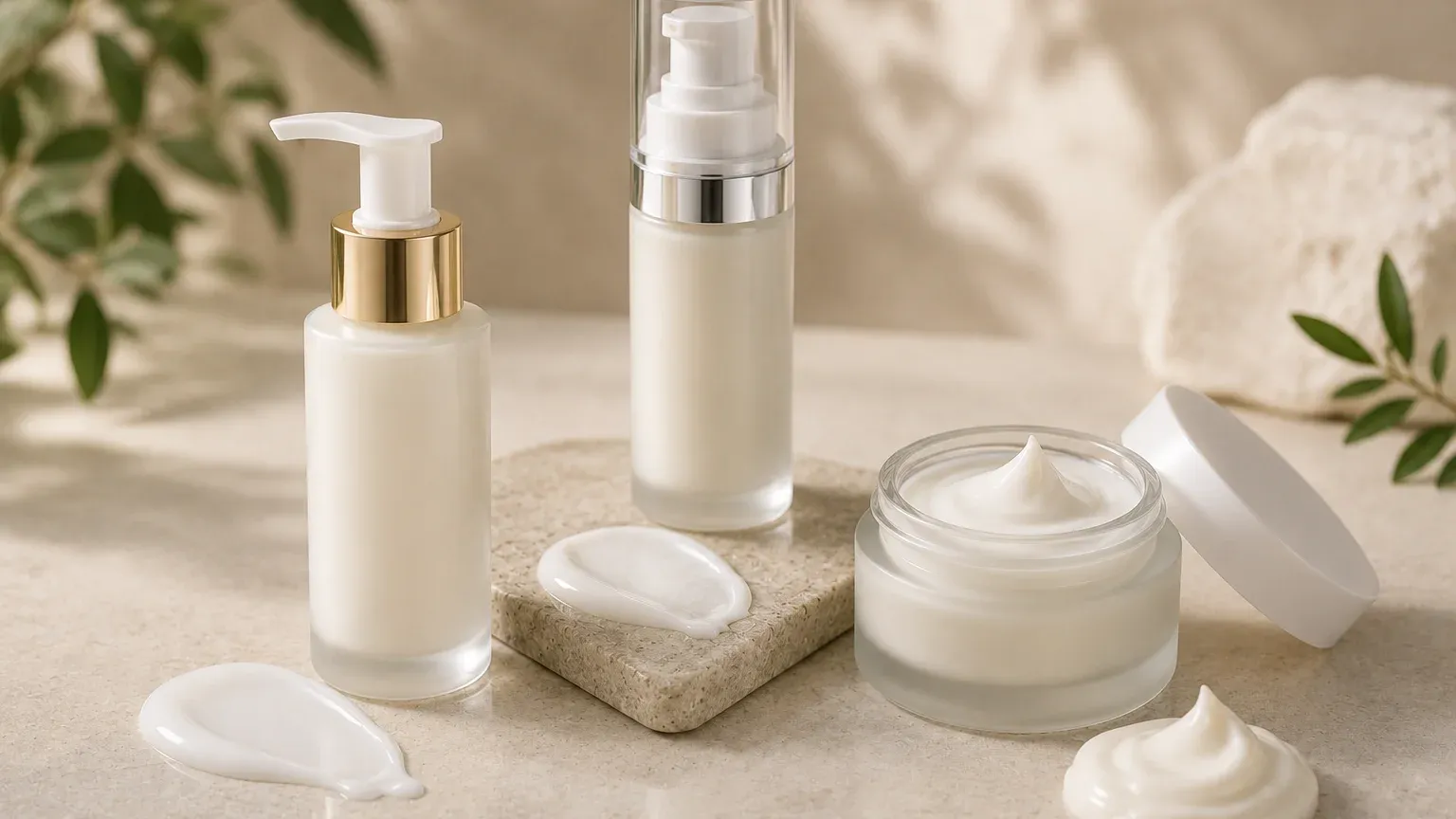
Formula-System Review
A moisturizer is a complete system: water-binding ingredients, skin-softening oils, texture builders, preservatives, and the other ingredients that keep it stable. One featured ingredient does not define the finished formula.
Projects may consider hyaluronic-acid systems, ceramides, squalane, niacinamide, peptides, beta-glucan, retinal, or tranexamic-acid-related directions.
An ingredient may suit one formula and package but not another. We review how it performs, stays stable, fits the selected package, and can be described in your target market. Ingredient supplier information is not finished-product evidence.
Explore Skincare Ingredient DirectionsSampling and Approval
Sampling helps you review the agreed direction before production preparation. The first sample may need feedback or revision.
Project Readiness
Testing and document requirements depend on the formula, package, and target market. We can help identify the stability, packaging, ingredient-list, and label-review work your brief needs.
Where relevant, this can include microbiological assessment, formula-package compatibility, specifications, an INCI ingredient list (the standard ingredient names used on cosmetic labels), supporting documents, and label or claim review.
Requirements vary by market. We can help identify the testing and documents needed for your brief; local regulatory approval remains the brand’s responsibility.
Review Quality, Testing & DocumentationCommercial Planning
Include:
Minimum order quantity (MOQ): from 2,000 units per product. Final arrangements can also depend on formula, material, packaging, and printing minimums.
Typical production period is about 40 days after the final formula, packaging, artwork, and order details are confirmed. Formula development, sampling, revisions, approval, and pre-confirmation packaging work are outside this period. Materials, packaging, testing, target-market requirements, shipping, and customs clearance can affect the full project timeline.
Buyer Questions
The names indicate general directions, not fixed formulas. Lotions are usually fluid, emulsions have light-to-medium body, gel creams combine a gel-like feel with a stable water-and-oil formula, and creams are richer.
Yes. A reference can communicate texture, absorption, finish, fragrance, appearance, packaging, or positioning. It does not define an identical formula or result.
There is no universal choice. The package depends on viscosity, formula sensitivity, dose, filling, sealing, transport, use, and positioning.
Provide the target market, format, formula status, sensory direction, references, packaging, quantity, testing, documentation, and timing.
Start With a Defined Brief
Share your target market, moisturizer format, desired texture, ingredient priorities, packaging direction, quantity, compliance needs, and launch timing. We’ll review the suitable project route and the information needed to begin sampling.
Request a Moisturizer Proposal