Product Capabilities

Market-Specific Sun Care Development

Private Label Sunscreen Development

Develop a facial, body, or tinted sunscreen for your target market. Rixin helps skincare brands choose a private-label or custom route, then plan formula, packaging, testing, labeling, and documentation.

Share your brief. We’ll review the suitable route, key market and feasibility questions, and the information needed to begin sampling.

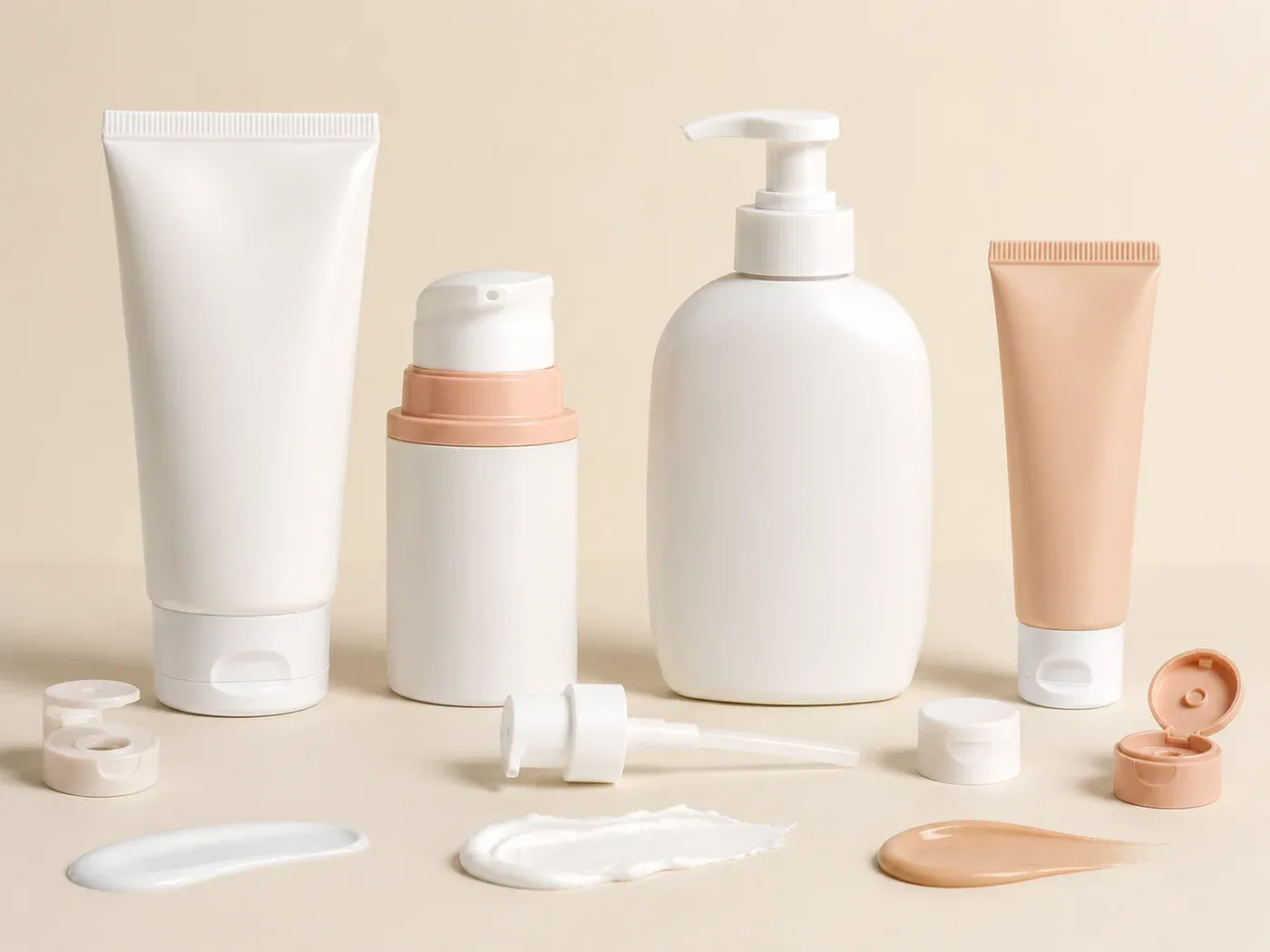
Four finished facial and body sunscreen packages arranged with lightweight fluid, cream, and tinted sunscreen textures

Define the Route First

Start With the Target Market

Choose your target market first. It determines which UV filters, tests, label requirements, and manufacturing options are possible.

In the United States, sunscreen generally follows an over-the-counter drug route. In the European Union, sunscreen is regulated as a cosmetic and may use only authorised UV filters under the applicable conditions. Australia may apply therapeutic sunscreen or cosmetic secondary sunscreen requirements.

One formula should not be assumed to support several markets. Filters, concentrations, combinations, testing, labeling, responsible-party arrangements, and manufacturing controls may differ.

Review permitted UV-filter directions, concentration limits, and initial cross-market formulation considerations before finalizing a multi-market sunscreen brief.

Compare U.S. and EU Sunscreen UV Filters

Explore Bemotrizinol sunscreen development for a specific filter direction.

Choose the Starting Route

Choose Private Label or Custom Development

PRIVATE LABEL

Private Label

Start with a suitable existing Rixin sunscreen formula, then confirm which format, feel, tint, fragrance, packaging, artwork, and order details can be adjusted for the target market. Formula changes may affect existing test results.

Explore Private Label Skincare
CUSTOM FORMULATION & OEM

Custom Formulation and OEM Manufacturing

Choose custom development when you need a new or substantially changed UV-filter system, texture, tint, wear experience, package, or market-specific formula. OEM means Rixin manufactures the product for your brand; feasibility still depends on the agreed project scope.

Explore Custom Formulation & OEM

Choose the Use Format

Develop the Formula Around How It Will Be Applied

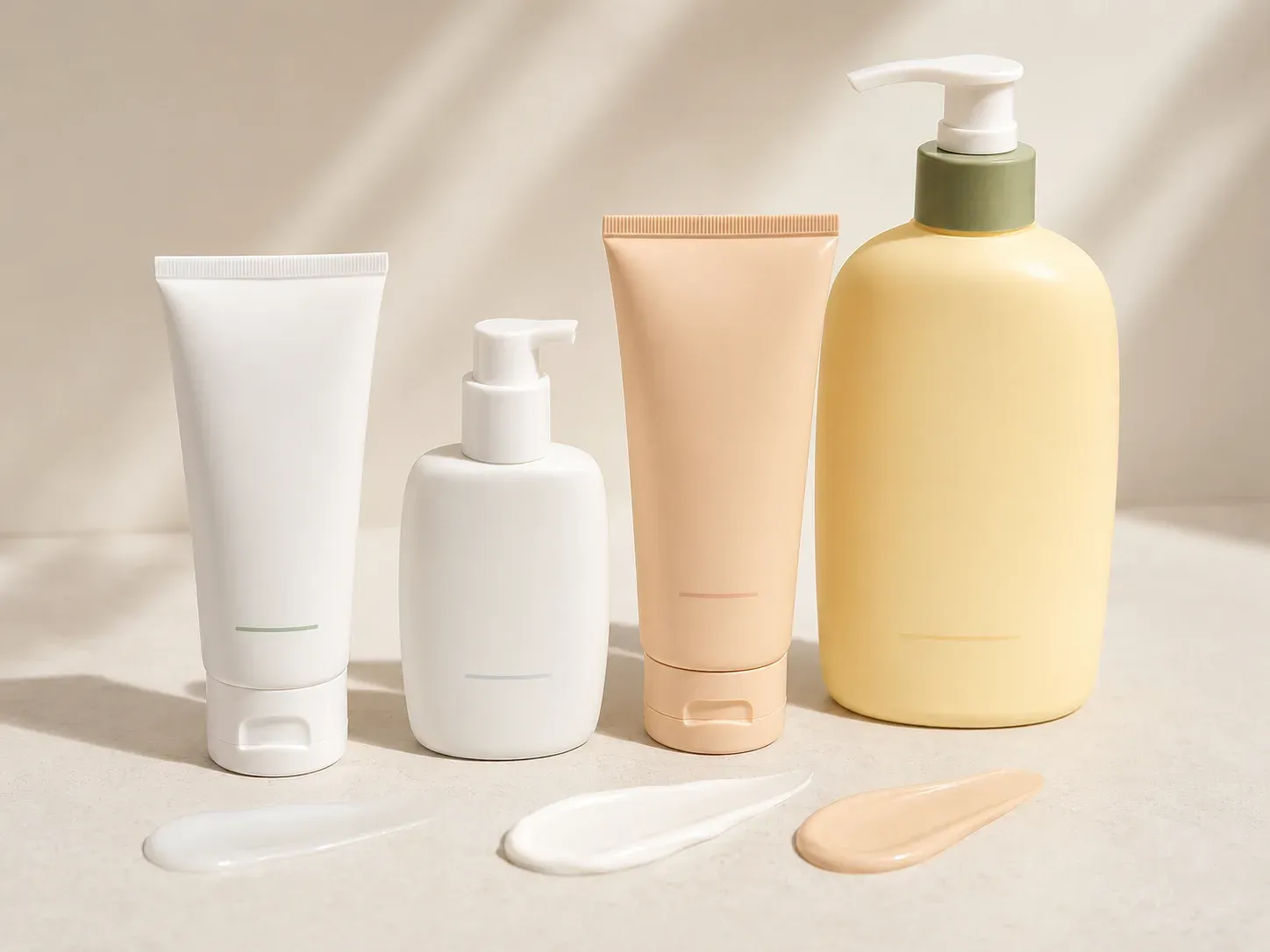
Facial sunscreen fluid, cream, tinted cream, and body lotion shown with matching sunscreen packaging
01

Facial Sunscreen Fluids

Review spreadability, absorption, dry-down, white cast, pilling, makeup layering, and controlled dispensing for lightweight daily use.

02

Facial Sunscreen Creams

Consider richness, rub-in, residue, stability, coverage expectations, and tube or compact dispensing compatibility.

03

Tinted Facial Sunscreen

Assess tint direction, pigment dispersion, transfer, shade consistency, finish, and controlled dispensing without turning the product into heavy makeup.

04

Body Sunscreen Lotions

Evaluate application speed, rub-in, residue, fill size, dose control, packaging durability, and any intended water-resistance direction.

Aerosols, fine mists, powders, lip SPF, children’s sunscreen, and combination products require a separate feasibility and market assessment.

Balance Protection and Wear

Choose UV Filters and Wear Experience Together

Start with the sunscreen direction you want—mineral, organic, combination, or tinted. We then check whether it suits your target market, product format, desired feel, package, testing plan, and manufacturing route.

That review covers filter permissions, combination rules, use levels, dispersion, processing, photostability, and finished-product objectives. It also considers white cast, greasiness, tack, dry-down, pilling, tint, fragrance, viscosity, packaging compatibility, and intended application amount. No filter category should be presented as universally safer, gentler, or more environmentally responsible without relevant evidence and market context.
Plan the Delivery System

Match the Package to the Formula and Dose

Review the package around five buyer outcomes: dispensing and dose, formula protection, filling and sealing, transport, and formula-package suitability—whether the formula dispenses correctly and remains suitable in the selected package.

Laminated tubes, compact controlled-dispensing bottles, lotion pumps, and suitable tinted-product packages can be reviewed against the agreed formula and project scope. Coordinate packaging with formulation rather than adding it after testing.

Explore packaging and label design
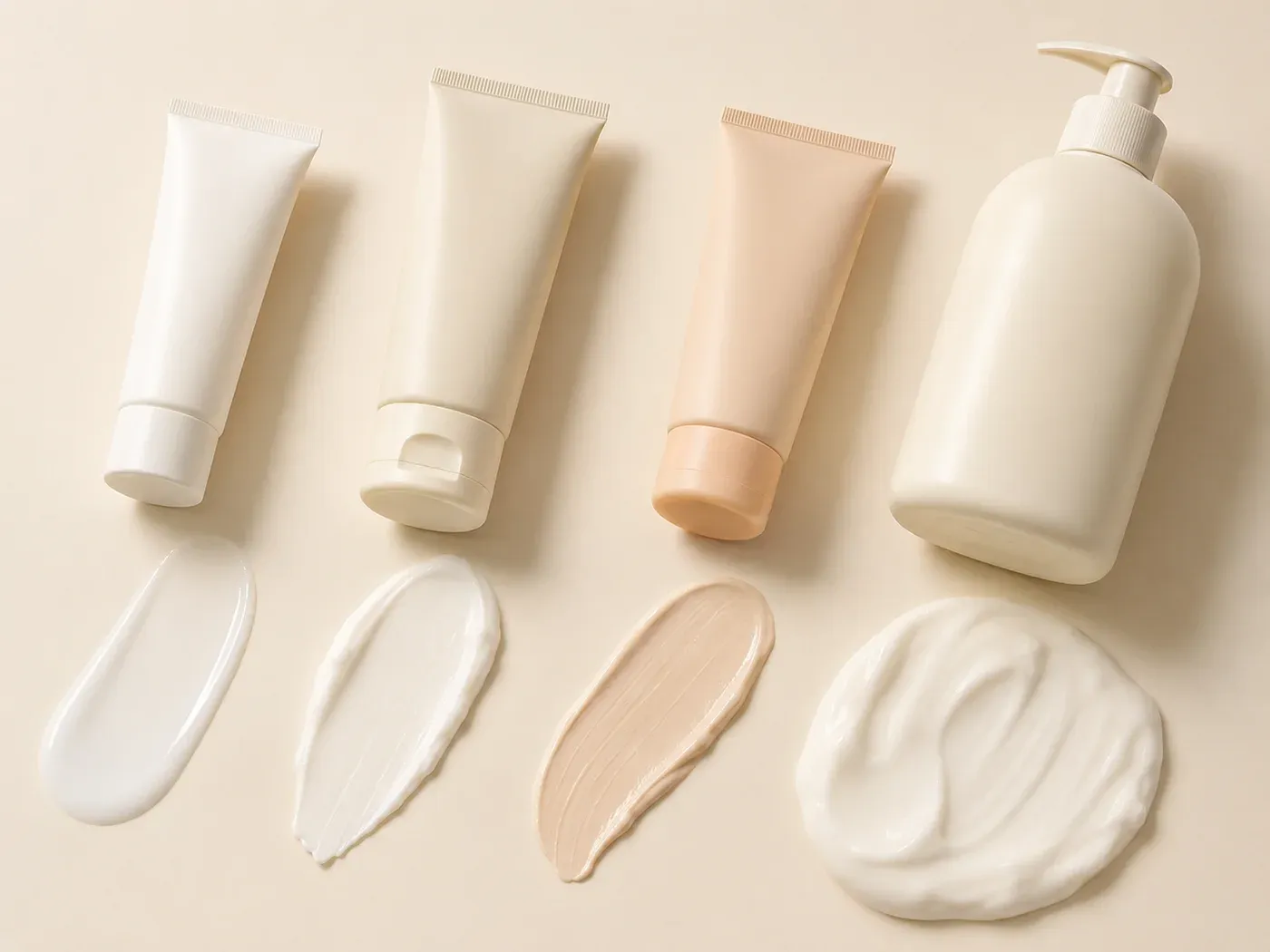
Laminated sunscreen tube, compact dispenser, body lotion pump, tinted tube, and matching closures arranged for packaging review

Substantiate the Finished Product

Testing, Claims and Documentation Depend on the Finished Product

Testing and documentation depend on the target market, sunscreen format, intended claims, and final package.

Depending on the product and market, the plan may require SPF and UVA testing, broad-spectrum or water-resistance objectives, stability, microbiological assessment, preservative-efficacy testing, formula-package compatibility, label and claims review, and supporting documentation.

A formula concept or supplier filter information can support raw-material review, but does not establish finished-product claim evidence. Testing or document support does not guarantee regulatory approval. Use SPF values, Broad Spectrum, UVA protection, Water Resistant, and other performance wording only when supported by the applicable evidence and market requirements. Explore quality, testing, and documentation .

Prepare for Assessment

What to Prepare, MOQ and Timing

You do not need every technical decision before the first conversation. Share the information you have; Rixin will review the suitable route, key feasibility questions, and the information needed to begin sampling.

To start, share:

  • Your target market
  • Sunscreen format and protection goal
  • Any formula, UV-filter, tint, texture, or sensory preferences
  • Packaging and fill size
  • Expected quantity
  • Testing or documentation needs
  • Launch timing

Minimum order quantity (MOQ): from 2,000 units per product.

Typical production period: about 40 days after the final formula, packaging, artwork, testing requirements, and order details are confirmed. This typical production period does not include formula development, sampling, revisions, testing, or approval. Full project timing can also depend on UV-filter sourcing, packaging, testing, the target market, and project complexity.

Frequently Asked Questions

Why must the target market be defined first?

Markets differ in classification, permitted filters, concentrations, combinations, testing, labeling, documentation, and manufacturing requirements.

Can one formula be sold in the United States, European Union, and Australia?

Not automatically. The exact formula, filter system, testing, labeling, documentation, and regulatory route require market-specific review.

Can Rixin review mineral, organic, and combined filter systems?

These directions can be discussed against the market, format, sensory target, packaging, testing plan, and available manufacturing route.

What is needed before sampling or quotation?

Share the target market, format, protection direction, formula status, filter preference, sensory brief, packaging, quantity, testing, documentation, and timing.

Define the Next Step

Discuss Your Sunscreen Development Project

Share the target market, format, intended protection direction, formula status, packaging, quantity, testing, documentation, and launch timing. Rixin will review the suitable route, key market and feasibility questions, and the next information needed to begin sampling.

undefined