Broad UV-Filter Contribution
BEMT can contribute across UVA and UVB within a complete filter system, but does not independently establish a broad-spectrum claim.
Bemotrizinol Sunscreen Development
Plan private label or custom Bemotrizinol sunscreen around the exact BEMT material, destination market, UV-filter system, formula, sensory target, packaging, testing, and manufacturing route. These factors must be reviewed together before sampling or quotation.
Ingredient Direction
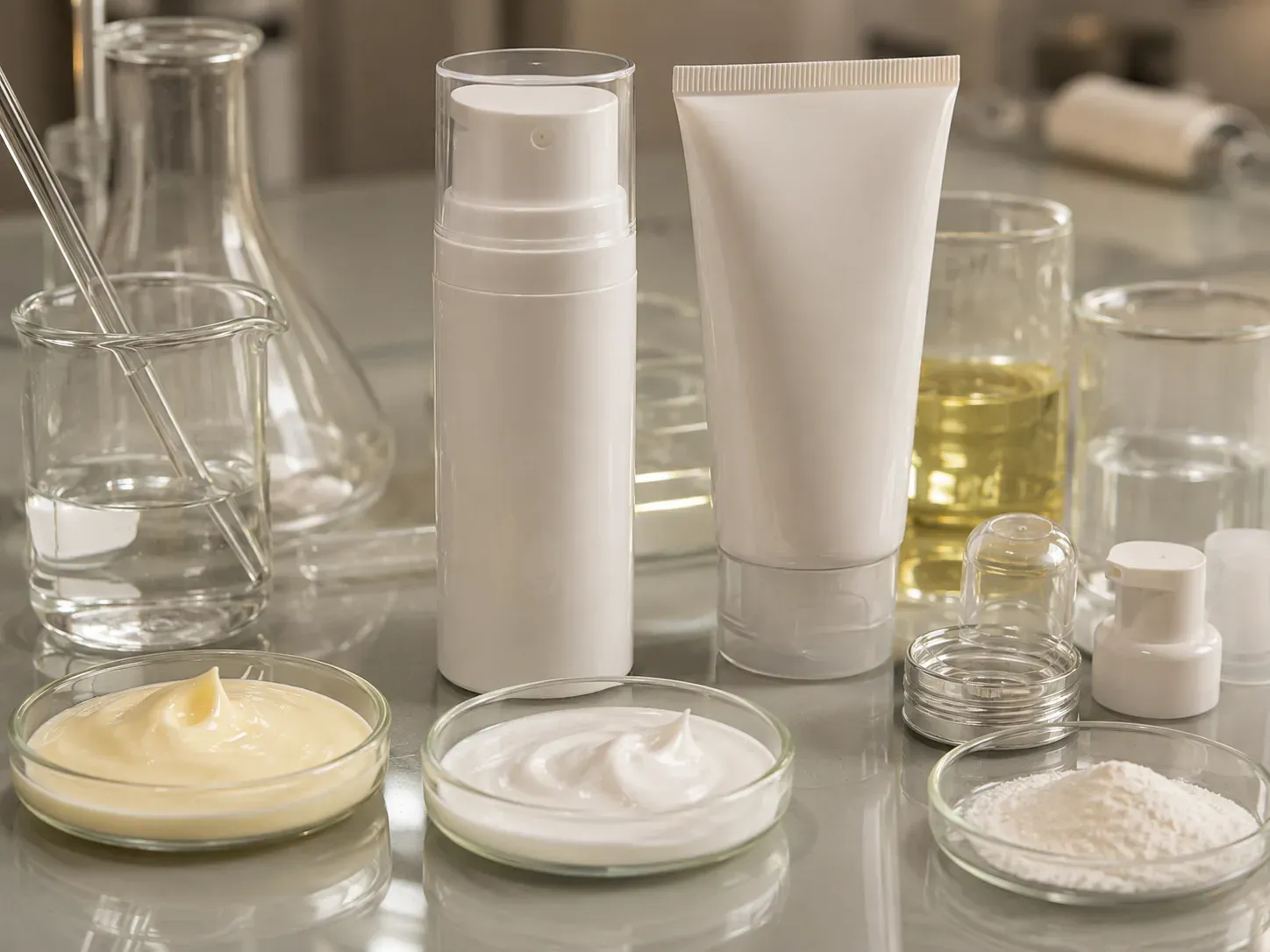
Bemotrizinol, commonly abbreviated BEMT, is an oil-phase organic UV filter with the INCI name Bis-Ethylhexyloxyphenol Methoxyphenyl Triazine. It absorbs across UVA and UVB wavelengths and is generally used within multi-filter sunscreen systems. Development still depends on the selected supplier material, target market, complete formula, package, finished-product testing, documentation, and manufacturing route.
Concept Development
BEMT can contribute across UVA and UVB within a complete filter system, but does not independently establish a broad-spectrum claim.
It can support photostable sunscreen design; final performance still depends on the complete formula and testing.
It may be combined with other permitted filters according to market rules, compatibility, and sensory goals.
It may suit fluids, lotions, creams, tinted products, and body sunscreens without guaranteeing an invisible finish.
SPF, UVA, water-resistance, safety, sensory, and market statements require evidence for the exact finished product.
Material Review
Bemotrizinol, its INCI, a supplier trade name, a prepared dispersion, and a carrier-based blend are not automatically interchangeable. Confirm the proposed commercial material before formulation.
The selected grade and its availability require project-level review. Rixin does not present every branded or supplier material as a standard option.

Market Route
In the European Union, Bemotrizinol is listed in Annex VI of Regulation (EC) No 1223/2009 under the INCI Bis-Ethylhexyloxyphenol Methoxyphenyl Triazine at up to 10%. The finished cosmetic still requires safety, labeling, evidence, and market review.
In the United States, FDA issued Final Administrative Order OTC000039 in June 2026 to add Bemotrizinol to OTC Monograph M020 at up to 6%, subject to specified combinations, dosage forms, testing, and other conditions. The order is scheduled to take effect on August 9, 2026 unless disputed, with an 18-month exclusivity provision. Authorization, sourcing, OTC manufacturing, labeling, and listing routes must be confirmed.
Other markets require separate assessment.
Format Selection
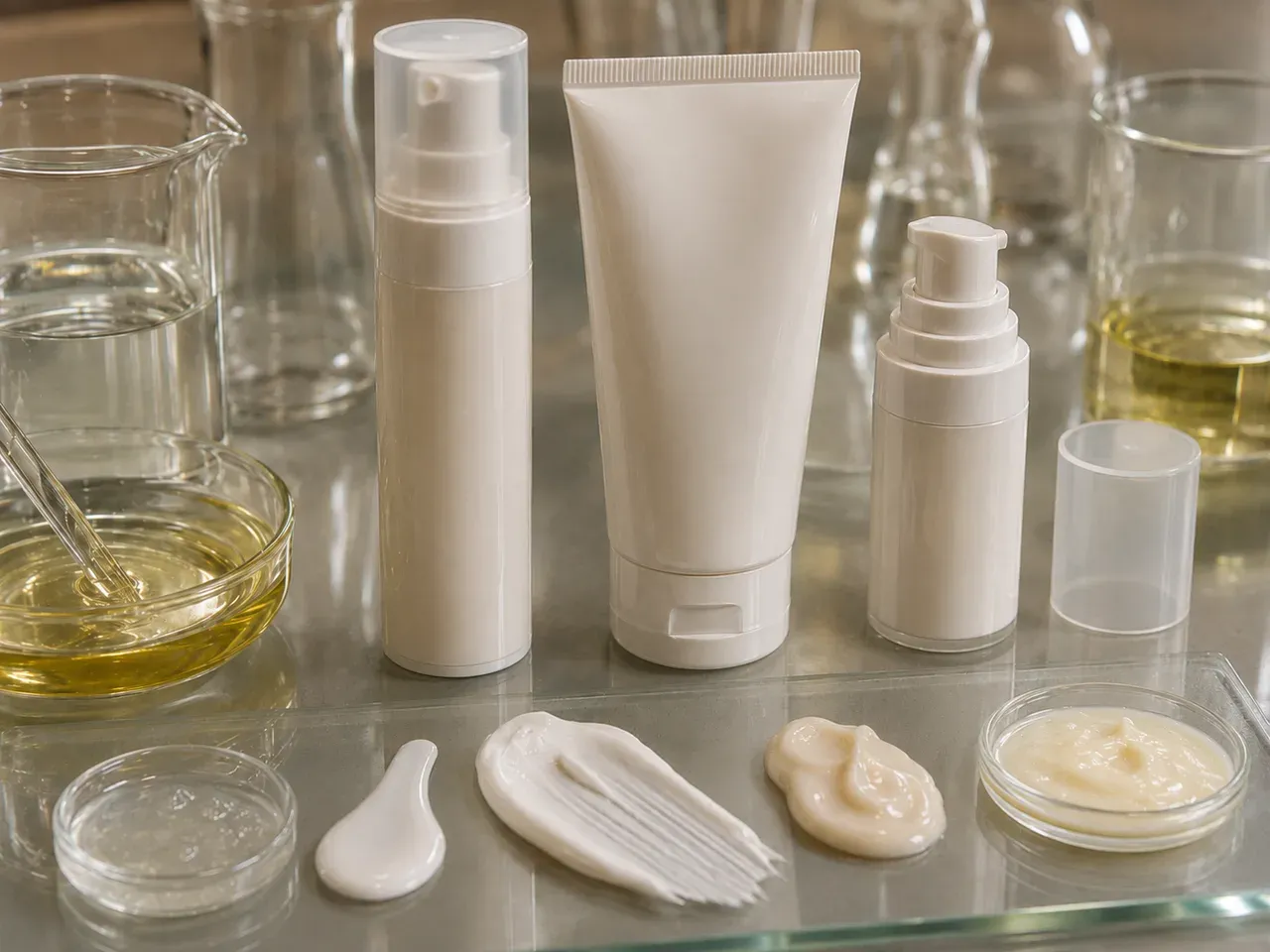
Review oil-phase load, viscosity, spread, dry-down, stability, and pump or tube delivery.
Review emulsion structure, solubilization, pigment dispersion, shade, transfer, filling, and package contact.
Review rub-in, residue, closure durability, transport, repeated use, and water-resistance direction.
Sprays, mists, powders, lip products, children’s products, and combination drug products require separate feasibility and market review.
Formula Development
Bemotrizinol does not define the complete sunscreen. Development must connect the intended claims with a market-permitted filter combination, sufficient oil-phase capacity, reliable solubilization, and control of crystal formation or recrystallization. Compatibility with other filters, emollients, pigments, powders, polymers, film formers, emulsifiers, rheology modifiers, and the preservation system also affects stability and sensory quality.
Review color, odor, transparency or tint, spreadability, tack, greasiness, drag, dry-down, pilling, makeup layering, processing, scale-up, filling, package contact, dose, sealing, leakage, heat, and transport. Concentrations, solvents, processing settings, and filter combinations must be established for the exact material and project.
Review formula feasibility through Formula Development and package fit through Packaging and Label Design .
Evidence and Market Review
Identity, specification, safety, storage, and market documents support material assessment.
Compatibility, stability, sensory, processing, and package reviews guide formulation. They do not establish labeled SPF.
The market and claims may require SPF, UVA, water-resistance, stability, compatibility, microbiological, safety, and claim-support testing.
Classification, dosage form, labeling, facility duties, listing, documentation, and responsible-party requirements depend on the market.
Project Direction
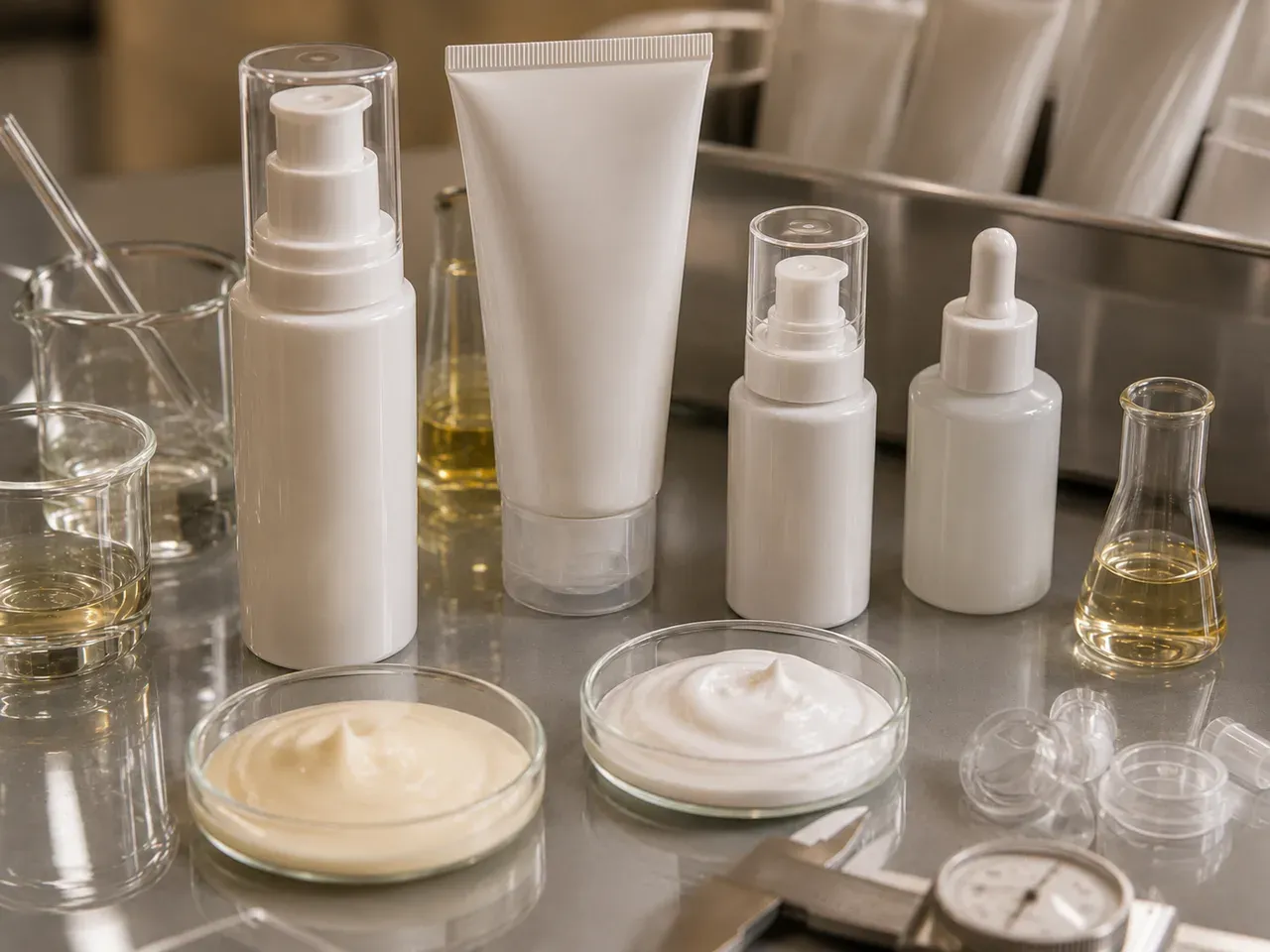
May fit when an existing formula, BEMT material, evidence, market, and package align.
May suit limited formula or package changes. The scope determines which testing must be repeated.
Starts with the market, material, format, filter system, sensory brief, package, testing, and manufacturing route.
Provide:
Review Formula Development , Quality, Testing & Documentation , and Project Requirements .
Frequently Asked Questions
BEMT abbreviates Bemotrizinol. Its cosmetic INCI is Bis-Ethylhexyloxyphenol Methoxyphenyl Triazine.
No. Trade names identify specific commercial materials with their own specifications, documentation, and conditions.
Do not assume so. Formula, testing, labeling, manufacturing, and documentation require separate review.
No. They depend on the complete filter system, formula, package, and finished-product testing.
Provide the market, format, claims, material reference, sensory target, package, quantity, testing, documentation, and timing.
Start With the Target Market and Exact Material
Share the market, format, BEMT material, claims, sensory target, package, quantity, testing, and timing. Availability, feasibility, manufacturing route, and market suitability require project review.