Hydration and Moisture Retention
Ectoin may be considered in formulas designed to support hydration and help skin feel less dry. Measured improvement requires finished-product evidence.
Ectoin Skincare Development
Develop private label or custom Ectoin skincare around the exact material, product format, sensory target, package, evidence plan, and destination market. Rixin reviews these factors together before recommending a suitable development route.
Ingredient Direction
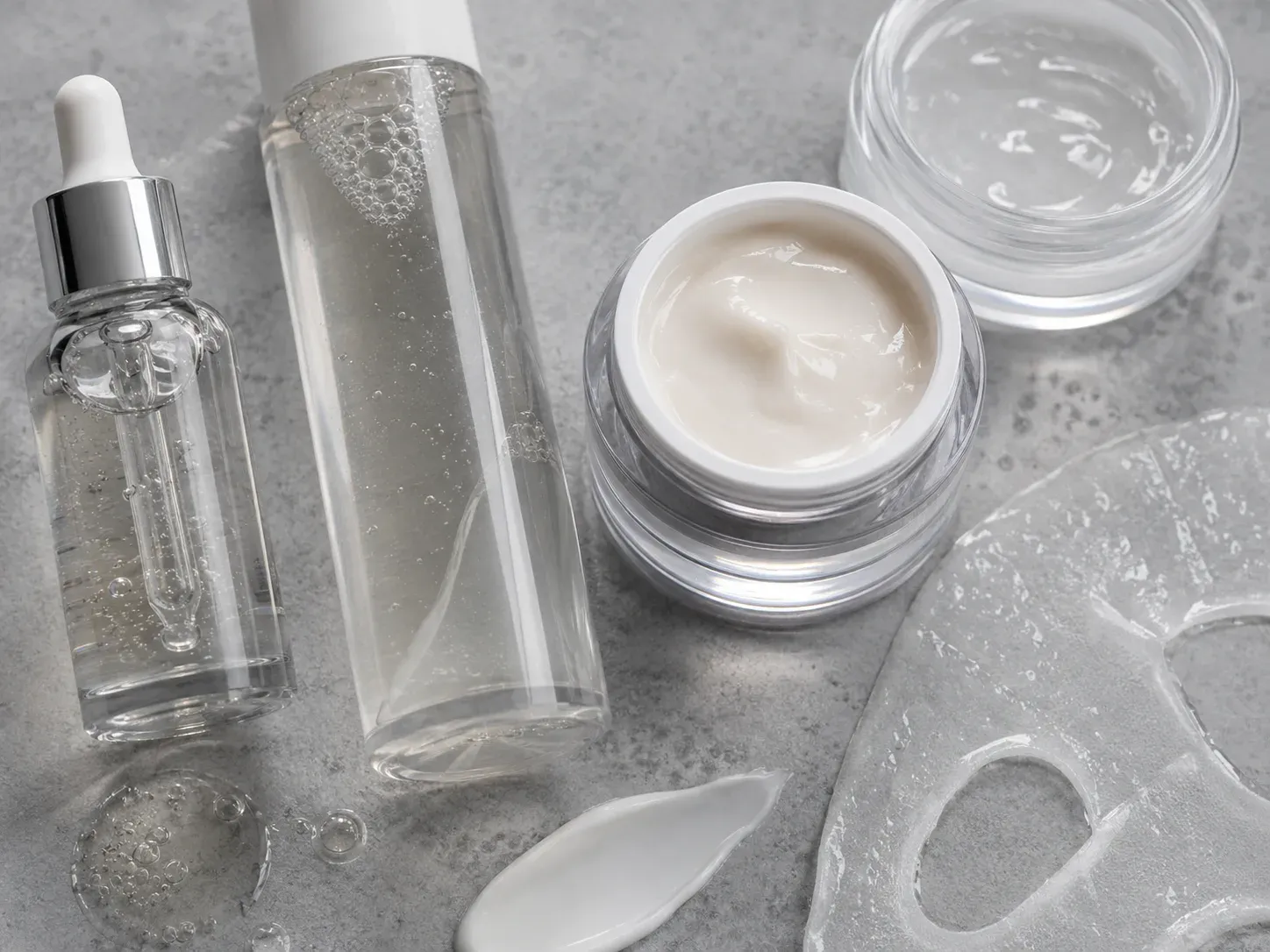
Ectoin is a small cyclic amino-acid derivative and compatible solute associated with microorganisms adapted to environmental stress. In skincare, it is commonly explored in hydration, moisture-barrier-supporting, comfort-focused, and environmental-stress concepts. Final formulation and claims depend on the selected material, formula, documentation, testing, and target market.
Concept Development
Ectoin may be considered in formulas designed to support hydration and help skin feel less dry. Measured improvement requires finished-product evidence.
It can be evaluated with humectants, lipids, and supporting ingredients for softer, smoother, more comfortable-feeling skin.
Ectoin can support gentle-positioning concepts, but formula testing, target user, and market wording require review before sensitive-skin or irritation-related claims.
Pollution, blue-light, and UV-exposure concepts require careful substantiation. Ectoin is not a UV filter, and ingredient studies do not establish protection claims for an untested finished product.
Material Review
The name Ectoin does not identify every commercial grade, composition, or supplied system. Before development, confirm the supplier, trade name, exact INCI, assay or specification, complete composition, source, manufacturing route, physical form, carrier ingredients, storage requirements, and supporting documents.
Ectoin and Hydroxyectoine are related but distinct materials. They should not be treated as interchangeable names or grades.
Supplier recommendations differ. A universal concentration, pH range, addition phase, or processing temperature should not be applied without reviewing the selected material.

Format Selection
Review dissolution, clarity, viscosity, humectant load, tack, pilling, preservation, and compatibility with droppers, pumps, or airless packaging.
Assess clarity, skin feel, supporting ingredients, fragrance, color, preservation, and the selected bottle and dispensing system.
Evaluate water-phase incorporation, emulsion structure, lipids, sensory targets, stability, and package fit.
Review serum viscosity, substrate compatibility, preservation, fill control, pouch sealing, and the intended use experience.
Review lotion or cream format, spread, residue, fragrance, stability, packaging, and repeat-use sensory goals for the complete formula. Rinse-off formats require separate evaluation and should not be assumed to support the same positioning as leave-on products.
Ectoin may be considered as a supporting ingredient within a sunscreen brief. It does not replace an authorised UV-filter system or finished-product sunscreen testing.
Formula and Package System
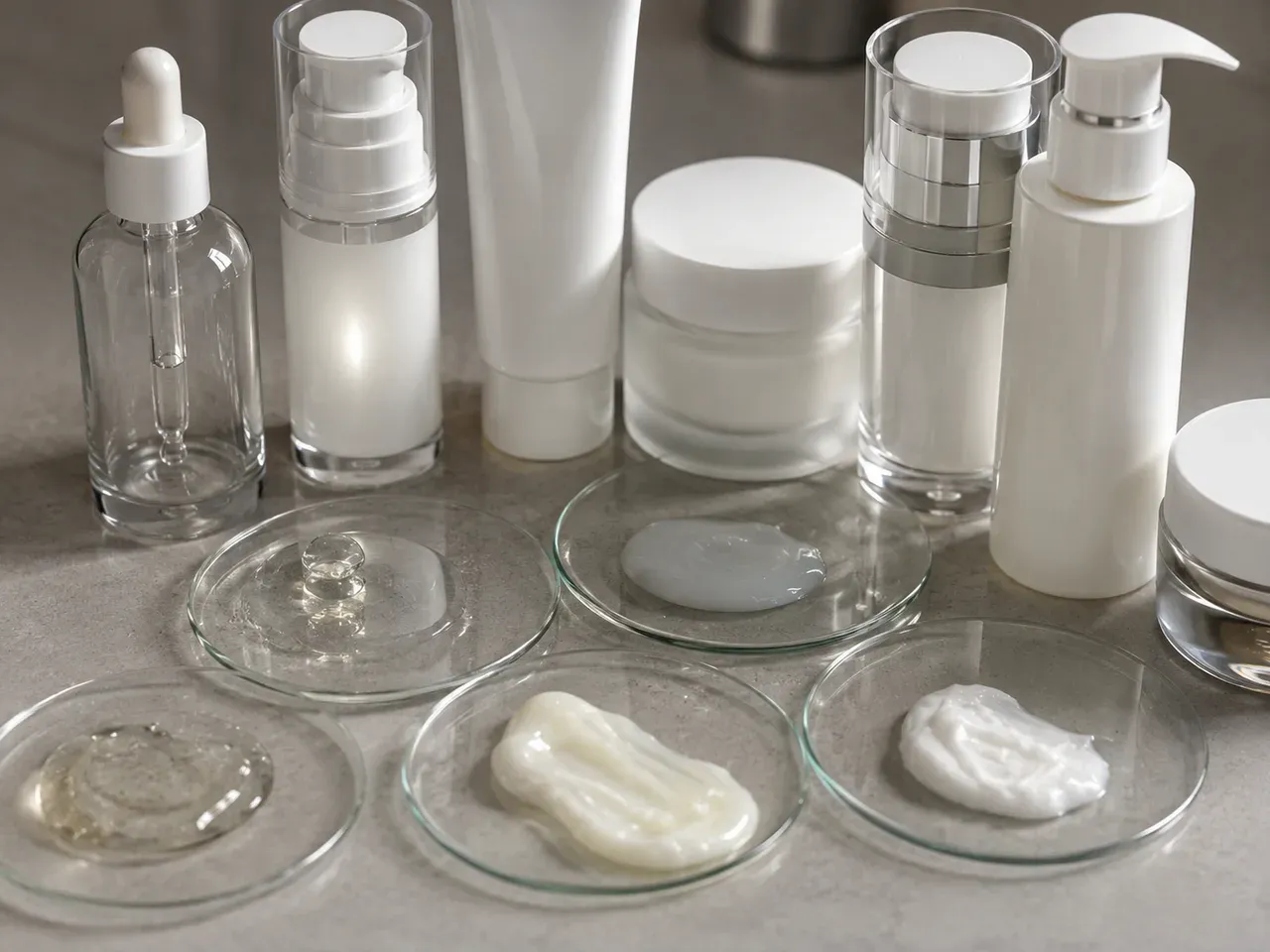
Water solubility alone does not establish finished-formula feasibility. The selected Ectoin material must work within the complete ingredient, process, sensory, preservation, and packaging system.
Review water quality, dissolution order, pH, electrolytes, total humectant load, thickeners, emulsifiers, lipids, preservatives, fragrance, color, extracts, and other active ingredients. During development, assess clarity, haze, precipitation, crystallization, odor, tack, slip, absorption, residue, pilling, and layering.
Processing conditions—including heat exposure, mixing, hold time, scale-up, filling, and cleaning—should follow the exact material guidance and the needs of the complete formula. Stability, microbiological quality, preservative performance, and package-contact testing may be required before final approval. Pump, dropper, airless, bottle, tube, jar, and pouch options should be reviewed against the actual viscosity and use pattern. Review formula development and packaging and label design .
Evidence and Market Review
A credible Ectoin project separates four evidence layers.
Specifications, technical guidance, safety information, supplier studies, and trademark conditions support evaluation of the exact raw material.
Bench samples, compatibility screening, sensory review, stability work, process development, and package selection support formulation decisions.
Depending on the intended claims, testing may address hydration, transepidermal water loss, appearance, comfort, environmental-stress positioning, stability, package compatibility, microbiological quality, preservative efficacy, safety, consumer perception, or instrumental results.
Ingredient listing, product classification, claims, substantiation, safety assessment, notification or registration, and responsible-party requirements depend on the destination market.
Ingredient research is not finished-product proof. Supplier studies do not automatically transfer to another grade, concentration, formula, population, or claim. Database listing is also not the same as product approval. Review Quality, Testing & Documentation .
Project Direction
This route may fit when a suitable existing formula already uses a confirmed Ectoin material and aligns with the target format, package, positioning, evidence, and market.
Limited changes to an existing base may be considered, but changing Ectoin, supporting ingredients, sensory targets, fragrance, color, or packaging can affect stability, compatibility, testing, and documentation.
Custom development starts with the target market, selected material, product format, positioning, sensory direction, supporting ingredients, package, test scope, quantity, and launch requirements.
To begin, provide the intended market, product category, exact supplier material or available technical files, proposed positioning, reference products, texture target, supporting ingredients, packaging preference, testing and documentation needs, expected quantity, and target timing. Review Project Requirements before submitting the brief.
Frequently Asked Questions
“Ectoine” is widely used in scientific writing, while “Ectoin” is common in cosmetic and commercial contexts. The final ingredient-list wording must follow the selected material’s official documentation.
No universal origin statement should be made. Ectoine has a biological association with stress-adapted microorganisms, but the exact commercial material’s source and manufacturing route must be confirmed through supplier documentation.
These combinations may be reviewed. Feasibility depends on the selected materials, pH, total humectant load, rheology, sensory target, preservation, stability, packaging, and intended claims.
Such wording requires project-specific evidence and market review. Ectoin is not a UV filter, ingredient studies do not automatically prove the finished formula, and treatment or structural-repair language may change the product’s regulatory position.
Start With the Exact Material
Share your target market, product format, selected Ectoin material or supplier files, desired positioning, sensory direction, supporting ingredients, packaging, testing needs, quantity, and timing. Rixin can review the brief and recommend a suitable development route.