Even-Looking Tone
Supports products positioned around a more even-looking complexion. Final wording should reflect the complete formula and available evidence.
Tranexamic Acid Ingredient-Led Skincare Development
Develop private label or custom tranexamic acid skincare for uneven-tone, dark-spot appearance, or radiance-focused positioning. The suitable route depends on the exact material, formula, format, packaging, evidence, and target market.
Ingredient Direction
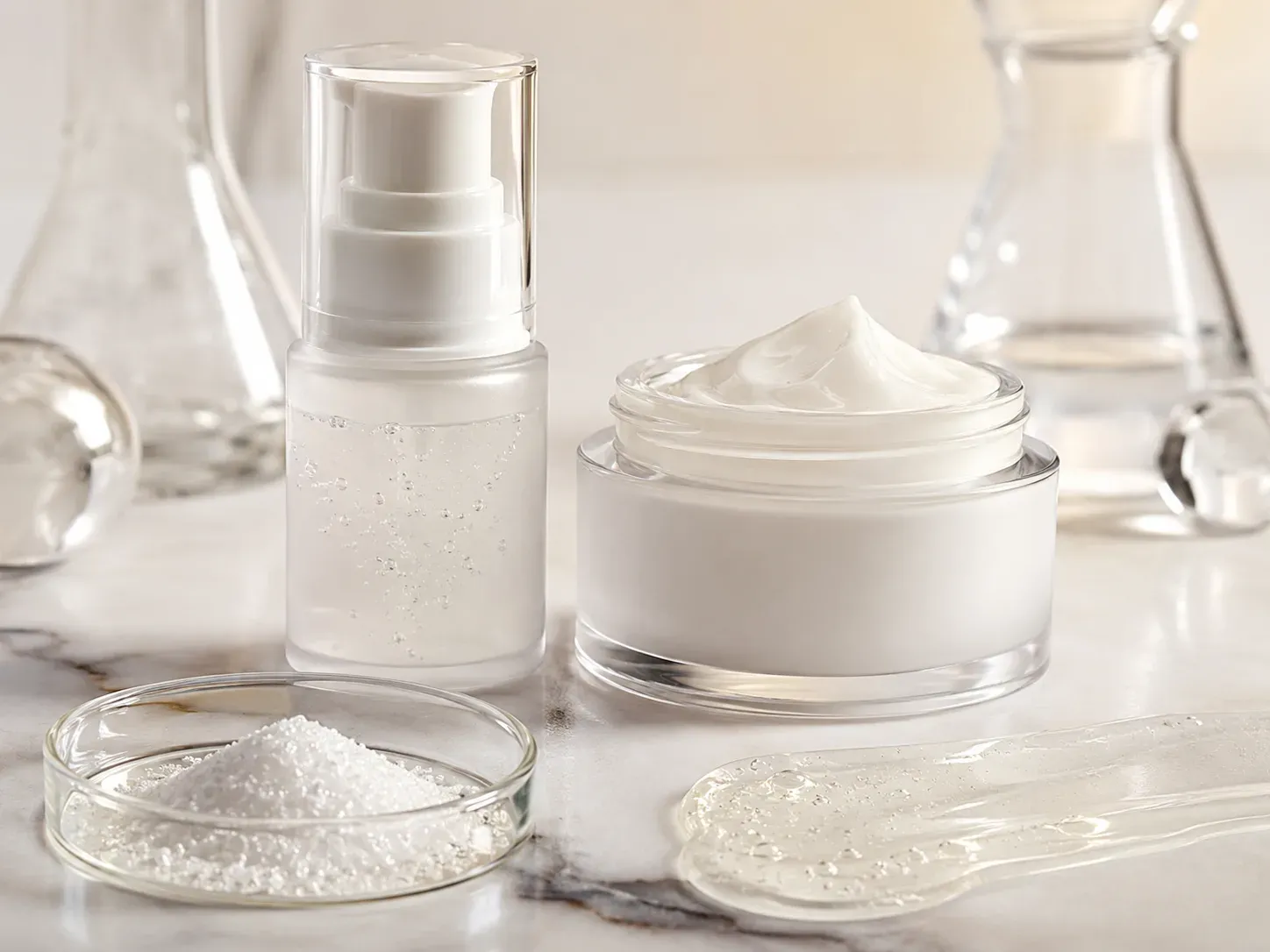
Tranexamic acid is a synthetic derivative of the amino acid lysine. Its cosmetic INCI name is Tranexamic Acid. Although the substance also has medical uses, a skincare project should remain focused on topical cosmetic formulation, appearance-related positioning, and the intended use of the finished product.
The ingredient name alone does not define grade, purity, physical form, specification, carrier, processing guidance, or finished-product evidence. Confirm these details before formulation or quotation.
Concept Development
Supports products positioned around a more even-looking complexion. Final wording should reflect the complete formula and available evidence.
May fit formulas designed to help improve the appearance of visible dark spots or localized unevenness without medical-treatment positioning.
Can support radiance-focused and clearer-looking skin concepts without whitening, bleaching, permanent pigment-removal, or guaranteed-result language.
May be considered with niacinamide, selected vitamin C derivatives, alpha-arbutin, licorice-related materials, humectants, or barrier-supporting ingredients. Compatibility requires review.
These are cosmetic development directions, not universal claims. Final wording depends on the exact material, complete formula, intended use, evidence, and destination market.
Material Review
A project may involve Tranexamic Acid as the stated INCI, a supplier blend, an encapsulated system, a derivative with a different INCI, a tranexamoyl peptide material, or a multi-active complex. These options are not interchangeable.
Confirm availability and suitability for the exact material rather than assuming another supplier system is equivalent.

Format Selection
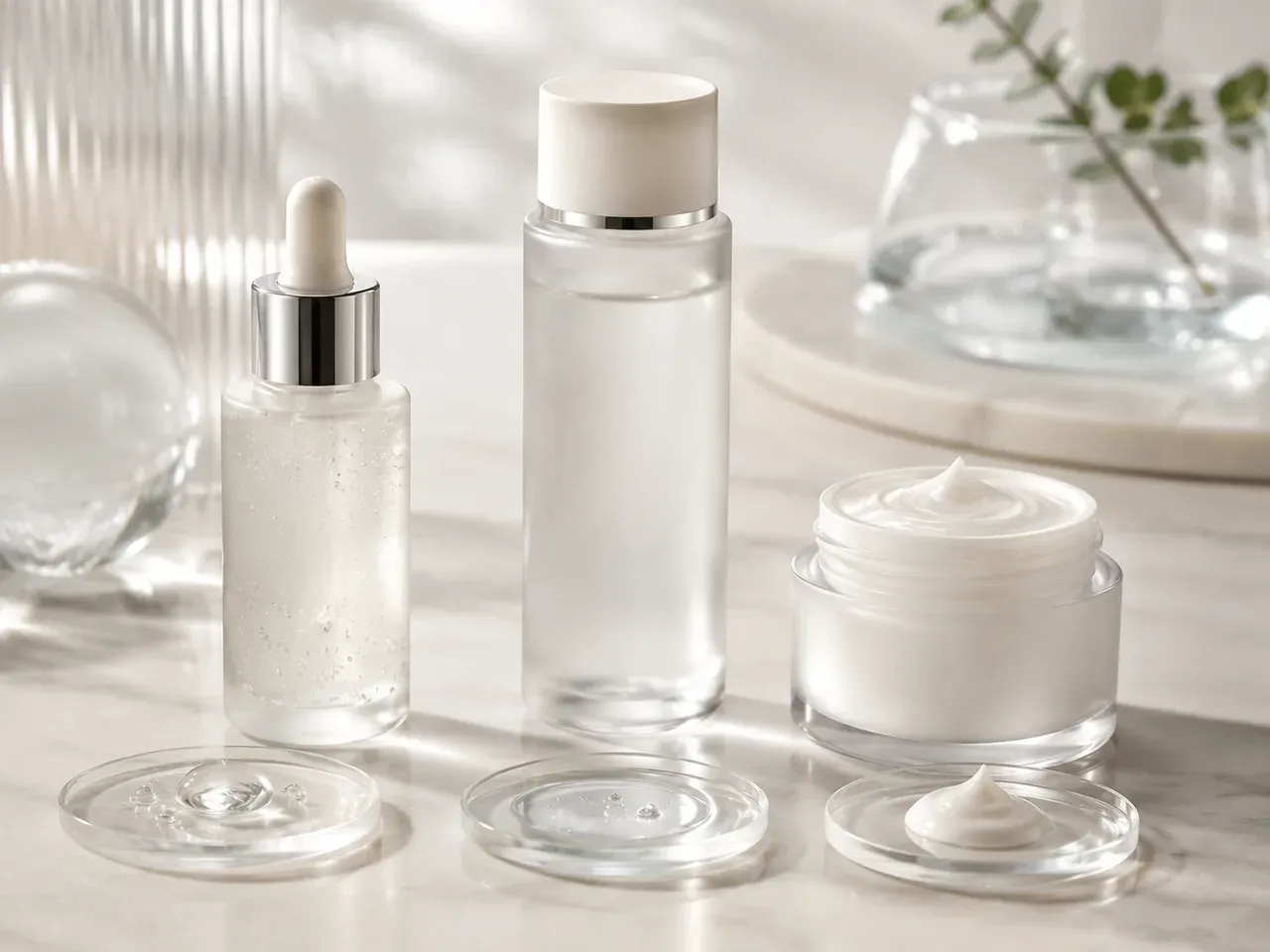
Lightweight fluids and gels can support focused concepts. Review clarity, tack, viscosity, dose, supporting ingredients, and pump, dropper, or airless compatibility.
Low-viscosity toner, essence, or treatment-lotion directions may be considered. Assess clarity, residue, dispensing, stability, and repeated-use experience.
Lotions and gel creams can combine tone-focused positioning with hydration or barrier support. Review the emulsion, skin feel, stability, and package together.
Formula Development
Tranexamic acid is one part of the product. A formula may also require humectants, skin conditioners, selected brightening materials, barrier-supporting ingredients, antioxidants, texture modifiers, preservation, and a sensory profile.
Review single-active versus multi-active positioning, material incorporation, pH environment, solubility or crystallization risk, color, odor, clarity, residue, and interaction with polymers, emulsifiers, preservatives, and other actives. Cost and raw-material MOQ may also affect the route.
Rixin can assess these factors within the agreed formula-development scope . Do not select universal use levels, pH ranges, or processing temperatures without material-specific guidance.
System Review
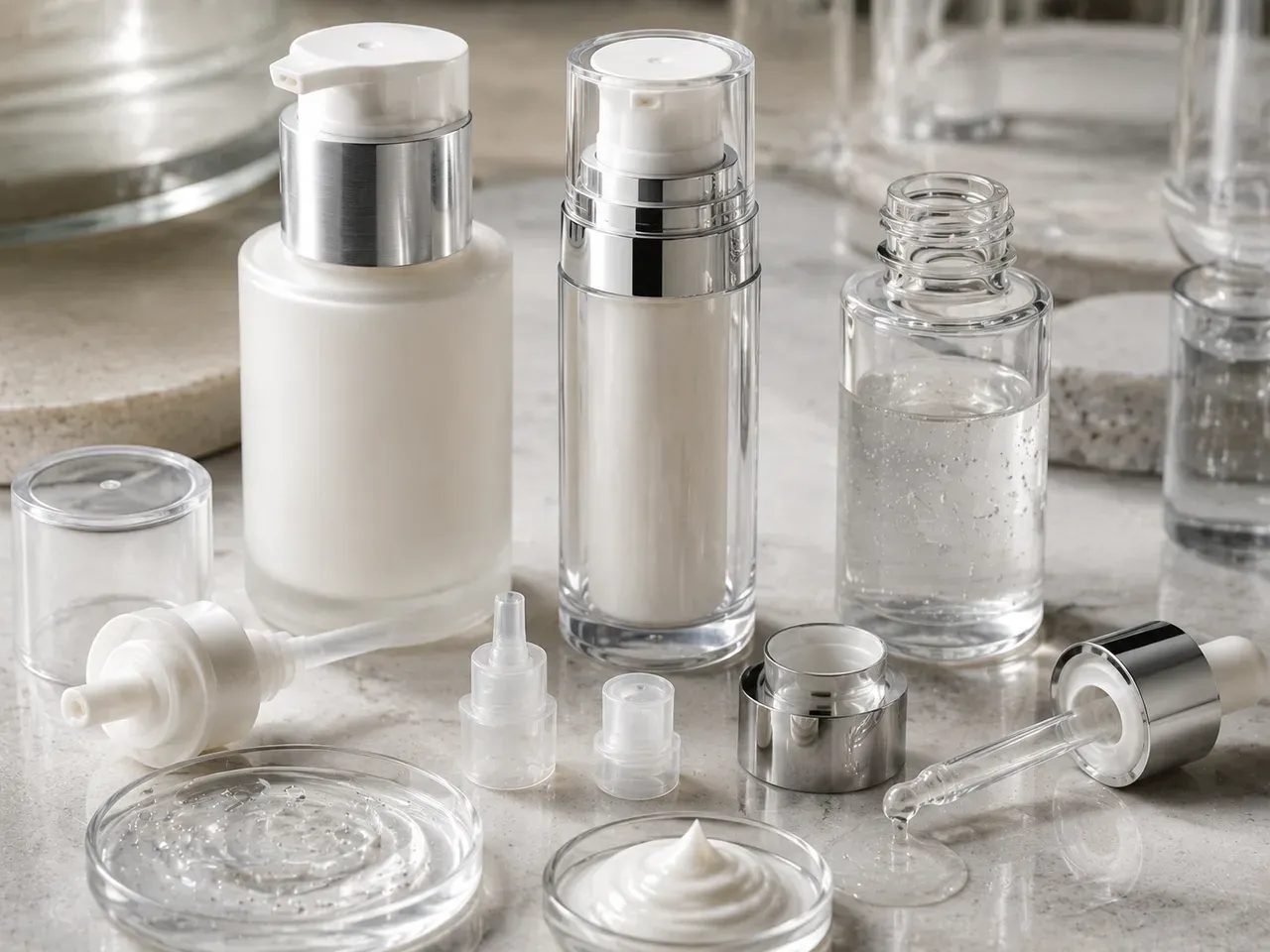
Package selection should follow the formula. Viscosity, dose, repeated opening, filling, sealing, leakage, transport, and component interaction affect whether a dropper, pump, airless bottle, standard bottle, tube, or jar is suitable.
Light, oxygen, and temperature exposure may also require review. Stability and compatibility work should use the intended components. Rixin can coordinate package decisions through packaging and label design .
Evidence and Market Review
Can support identity, composition, specification, handling, and supplier-evidence review.
May include stability, package compatibility, microbiological quality, preservative efficacy where applicable, specifications, safety assessment, or claim-substantiation testing.
Scope depends on the formula, package, intended claims, and target market.
Review Quality, Testing & Documentation . Medical studies involving oral, injected, microneedled, or dermatologist-directed tranexamic acid are not direct proof for a cosmetic serum, toner, or moisturizer. Ingredient-database inclusion also does not establish product authorization.
Project Direction
May fit when an existing formula contains a suitable tranexamic acid system and the main decisions involve packaging, labeling, quantity, market, and limited customization.
May fit changes to texture, supporting ingredients, format, package, or positioning. Scope determines further review and testing.
Starts with a defined material, format, sensory target, package, market, and evidence requirements.
For an initial review, provide:
Use Project Requirements to prepare the brief.
Frequently Asked Questions
It is an ingredient direction for uneven-tone, dark-spot appearance, and radiance-focused products. Suitability and claims depend on the material and finished formula.
Serums, toners, essences, lotions, and gel creams are starting points. Fit depends on the material, formula, package, and market.
No. Tranexamic Acid, blends, delivery systems, tranexamoyl materials, and derivatives may have different INCI names, compositions, specifications, and processing guidance.
Rixin can discuss serum, toner or essence, and moisturizer directions, subject to material, formula, packaging, testing, and market review.
Share the format, market, positioning, selected material, reference, texture, package, quantity, testing, documentation, and timing.
Start With the Exact Material
Share your material direction, format, market, texture, packaging, quantity, and evidence needs. Rixin can review the suitable development route.
This page is for B2B cosmetic development. Raw-material identity, formulation suitability, evidence, label wording, and market suitability require review for the exact material, formula, package, intended use, and market.